Holy Spirit Church of UOC damaged by shelling in Dnipropetrovsk region
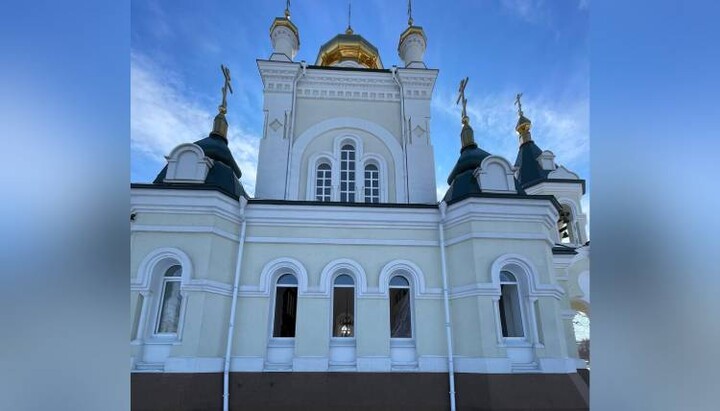
The Holy Spirit Church in Sursko-Lytovske. Photo: UOJ
On the night of January 20, 2026, the Holy Spirit Church of the UOC in the village of Sursko-Lytovske, Dnipropetrovsk region, came under fire, community representatives reported to the UOJ.
The church windows were shattered by fragments and require replacement. At the same time, local authorities stated that they only help private homeowners.
The Holy Spirit Church was built in the 2010s to replace the one destroyed by the Bolsheviks. It is an exact copy of the Resurrection Church in Foros.
Earlier, the UOJ reported that in Kherson Eparchy, a UOC priest was killed by a drone strike.
Read also
Upper Lavra court hearing postponed
The next court hearing in the Upper Lavra case has been scheduled for November 3.
UOC priest blesses ambulances at Kamianske medical center
A UOC priest in Kamianske blessed ambulances for a medical facility and wished its doctors God's help in their work.
Dumenko to German ambassador: Law targeting UOC also applies to other groups
Epifaniy Dumenko sought to defend Ukraine’s law restricting religious organizations during a meeting with the German ambassador.
Activists bused to court hearings in UOC cases, media say
A minibus has been spotted transporting protesters to and from courthouses where UOC cases are being heard.
Firefighters save historic UOC church from fire in Zakarpattia
A fire broke out at a UOC church in the Tiachiv district, damaging the altar and church furnishings.
Volyn Eparchy faithful collect six tons of aid for Sviatohirsk Lavra
Believers in Volyn collected food and warm clothing for people displaced by the war who have found shelter at Sviatohirsk Lavra.