Why a journalist "doesn't fear" criminal charges for hatred against UOC
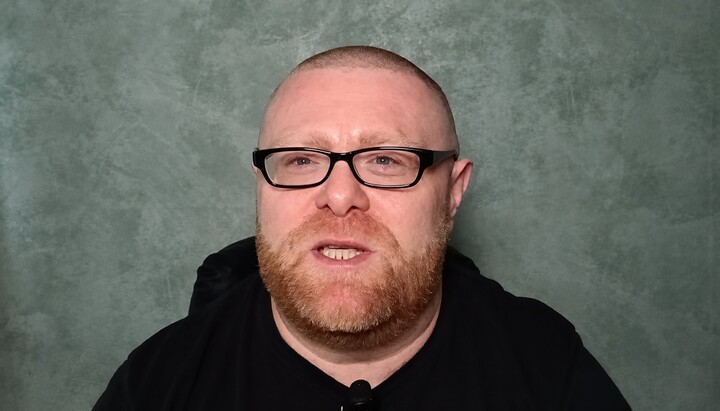
Butkevych does not even theoretically consider the possibility of being tried under the law.
We, unfortunately, are already used to Ukrainian media allowing themselves a great deal in anti-Church rhetoric. But there are figures who stand out even against this background.
In October, a criminal case was opened against KyivFM host Bohdan Butkevych following a complaint from the lawyer Fr. Nikita Chekman. The reason was a broadcast in which he called UOC clergy and believers "scum," "bastards," "FSB agents," and gave them other similar epithets. Did this stop him? Not in the least.
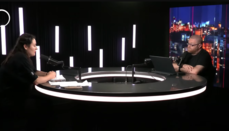
Butkevych recorded a separate broadcast in which he went even further, mocking his own criminal case. "Degenerates," "scum," "whores in cassocks," "creatures," "stinking old women," "stupid freaks" – these are just some of the insults he directed at UOC priests, the faithful, and lawyers. According to him, the UOC "has about as much to do with the Church as Hitler has to do with the State of Israel."
If a lawyer needed an exemplary case to illustrate Article 161 of the Criminal Code of Ukraine, which provides for liability for inciting religious enmity and hatred and for insulting citizens' feelings based on their religious beliefs, one could not find a better candidate than Butkevych. Without any exaggeration, his rhetoric could be included in law textbooks.
But a question arises – does Butkevych really not understand that he faces up to 5 years of imprisonment? Here is how he himself comments on the situation:
"If these stupid scumbags think I'm afraid of them, I'll answer them with the words of a Russian poet, since they probably understand only that: 'Let the storm rage ever stronger!' You are the ones who should be afraid, you bastards."
In other words, he does not even theoretically consider the possibility of being tried under the law. Why? Perhaps because 12 years ago far more serious statements already went unpunished for him.
At the end of April 2014, on a live Hromadske broadcast, Butkevych said that in Donbas "there is a certain category of people who simply need to be killed." In the same broadcast, he proposed to "simply weigh the pros and cons" of "whether we need Donbas as part of Ukraine at all."
Back then, law enforcement "did not notice" the journalist's words. It is no surprise that today Butkevych "does not fear" trial and punishment for inciting hatred toward the UOC. And until the laws in Ukraine start working equally for everyone, his "courage" is is unlikely to go away.