
Estonian сourt upholds law targeting Estonian Orthodox Church
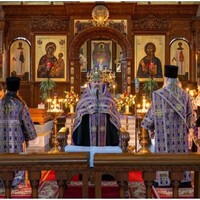
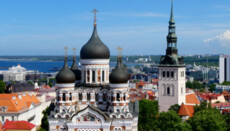
Estonia’s highest court has upheld controversial amendments to the country’s Churches and Congregations Act, clearing the way for legislation that could ultimately be used against the Estonian Orthodox Christian Church (EOCC).
The State Court ruled that the amendments comply with the Estonian Constitution, finding that the new provisions do not lead to the arbitrary dissolution of religious organizations and do not violate freedom of religion, according to Interfax.
The legislation was introduced by Estonian authorities amid efforts to pressure the EOCC. Government officials and lawmakers have demanded that the Church sever its ties with the Russian Orthodox Church and amend both its statute and official name. Authorities have warned that failure to comply could result in the Church being declared unlawful because of its canonical unity with the Moscow Patriarchate.
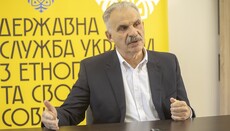
Presidential legal adviser Hent Kalmo argued that Moscow’s influence allegedly undermines Estonia’s sovereignty and democratic order. However, six of the seventeen State Court judges issued dissenting opinions, stating that the law fails to meet the principle of legal clarity.
The Estonian Parliament originally adopted the legislation in September 2025. President Alar Karis twice refused to sign the bill, insisting that it imposed disproportionate restrictions on citizens’ freedom of association. Lawmakers nevertheless rejected the president’s objections and reapproved the text without substantive changes.
As a result, Karis referred the matter to the State Court as the final authority on constitutional review. The court ultimately sided with the government, and shortly after the ruling was announced, the presidential office confirmed that the president had signed the law.
As previously reported by the UOJ, the Estonian Orthodox Church rejected allegations that it poses a threat to the country’s constitutional order, disputing claims that its activities are directed or coordinated by the Moscow Patriarchate. Church representatives stated that the EOCC operates independently while remaining open to cooperation with state authorities.