
Israel removes Palestinians from mosque control in Hebron
Israel's Finance Minister announced scrapping parts of the 1997 Hebron Agreement, seizing planning and construction powers covering the Ibrahimi Mosque from Palestinian authorities.
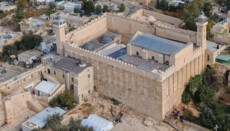
On June 17, 2026, Israeli authorities seized planning and construction powers over the Ibrahimi Mosque in Hebron, removing the Palestinian authorities from management, reports Al Jazeera.
Finance Minister Bezalel Smotrich announced that he had “abolished” the parts of the 1997 Hebron Agreement that gave the Palestinian municipal council of Hebron control of planning, zoning and construction in the H2 zone. According to the official, this "historic step" is aimed at finally consolidating "Israeli sovereignty" over the West Bank, which Palestinians see as the heart of a future independent state.
All three Abrahamic religions believe that it is here, in the Old City of Hebron, that Abraham, Isaac, Jacob and their wives are buried.
Jews and Christians call it the Tomb – or Cave – of the Patriarchs.
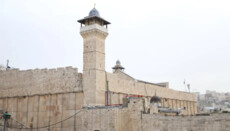
The Palestinian side has already described Israel's actions as a "racist decision" and a gross encroachment on the political and legal status of Hebron. Experts note that the transfer of authority to the Israeli Supreme Planning Council deprives the municipality of the ability to challenge settlement construction or any changes to the Ibrahimi Mosque.
The Ibrahimi Mosque falls under the 1997 Hebron Agreement, signed by Israeli Prime Minister Benjamin Netanyahu and former PLO Chairman Yasser Arafat, which split the city into two zones. H1 is under Palestinian control and covers about 80 percent of Hebron, while H2 is under Israeli control, covering the remaining 20 percent which includes the Jewish Tomb of the Patriarchs, the adjoining Muslim Ibrahimi Mosque and the Old City.
Bezalel Smotrich, who consistently advocates for the elimination of the idea of Palestinian statehood, emphasized that Israel will now independently decide matters of development near holy sites.
Observers warn that changing the existing status quo in Hebron — one of the most tense cities in the region — could provoke a new round of interfaith confrontation.
As the UOJ reported, Israeli authorities plan to entrust Al-Aqsa security to religious Jewish activists.