Yelensky: More than 80 UOC communities "transferred" to OCU in April
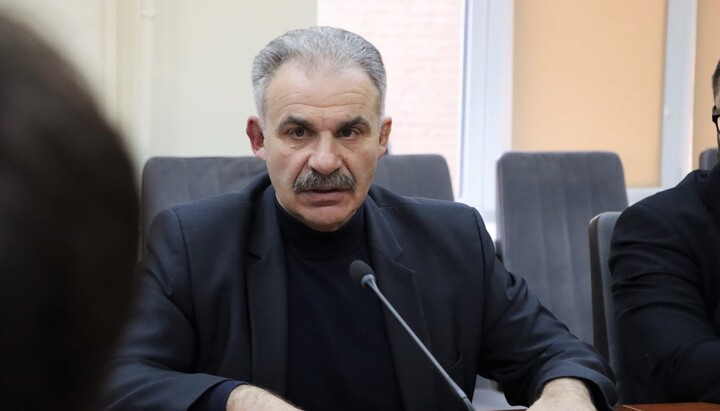
Viktor Yelensky, the DESS head. Photo: dess.gov
The head of the State Service for Ethnopolitics and Freedom of Conscience Viktor Yelensky said at a briefing that in April more than 80 religious communities from all over Ukraine "transferred" from the UOC to the OCU, reports Ukrinform.
According to Yelensky, the process of transition of communities "is happening very dynamically".
He also noted that in May more than 50 UOC communities allegedly informed the state of their desire to "join" the OCU.
"In April, more than 80 communities transferred to the Orthodox Church of Ukraine from the Moscow Patriarchate. At least that much was reported about meetings where believers decided to change their subordination," he said.
Read also
ROC approves procedure for receiving members of Ukrainian schismatic groups
The ROC Synod has adopted a document governing the reception of communities and clergy from the OCU, UOC-KP, and UAOC.
OCU cleric's church preference poll delivers unexpected results
When an OCU cleric from Rivne asked Ukrainians which Church they preferred, most Threads users who responded chose the UOC.
Reports to SBU of weapons in UOC churches were always false, Novynskyi says
The protodeacon said that under Maliuk, inspections began to be accompanied by public accusations against the Church without evidence.
Culture Ministry pledges to speed up seizure of Kyiv-Pechersk Lavra from UOC
Culture Minister Tetiana Berezhna has pledged to personally attend a court hearing in the Kyiv-Pechersk Lavra case.
Kamianske Eparchy honors Dnipro Icon of the Mother of God for first time
A festive service was held at a cathedral in Kamianske, where the Dnipro Icon of the Mother of God was brought out for veneration by the faithful for the first time.
Kyiv conscription officers abduct UOC priest
TRC officers reportedly abducted Maksym Kostiuchenko, a cleric of a UOC church in the Ukrainian capital.