Chernivtsi schismatics demand to give Khotyn temple to the OCU
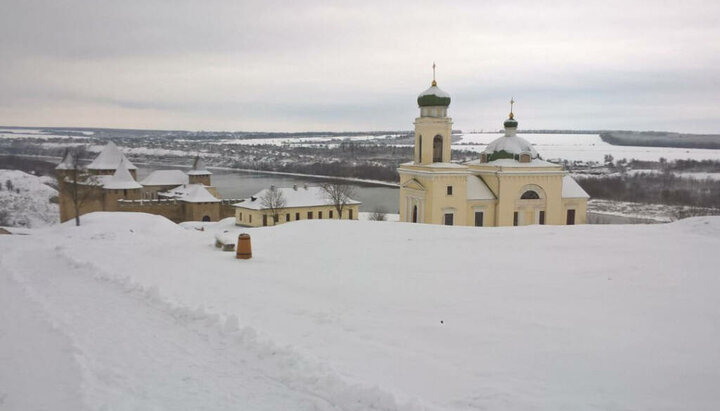
Temple of Alexander Nevsky in Khotyn. Photo: pravoslavie.ru
The Chernivtsi-Bukovyna Eparchy of the UOC has published an appeal in which five activists demand that a church in honor of the Holy Prince Alexander Nevsky in Khotyn be transferred to the OCU, the press service of the diocese reports.
“Here is a document by which five OCU activists demand to give them the Orthodox church and drive out the UOC community, which has been praying in this shrine for 30 years,” the diocese’s Telegram channel says.
“Among the signatories is Alexander Parashchuk, who sells vodka products in front of the gates of the Khotyn fortress. The corruption component is absolutely evident,” added the Chernivtsi-Bukovyna Eparchy.
As the UOJ previously reported, the authorities want to give the Khotyn temple, which was raised from the ruins by the UOC believers, to the OCU.
Read also
DESS finds Balta Eparchy of UOC affiliated with ROC
Yelensky-headed state service said it found signs of affiliation of the Balta Eparchy Administration of the UOC with the ROC.
Upper Lavra court hearing postponed
The next court hearing in the Upper Lavra case has been scheduled for November 3.
UOC priest blesses ambulances at Kamianske medical center
A UOC priest in Kamianske blessed ambulances for a medical facility and wished its doctors God's help in their work.
Dumenko to German ambassador: Law targeting UOC also applies to other groups
Epifaniy Dumenko sought to defend Ukraine’s law restricting religious organizations during a meeting with the German ambassador.
Activists bused to court hearings in UOC cases, media say
A minibus has been spotted transporting protesters to and from courthouses where UOC cases are being heard.
Firefighters save historic UOC church from fire in Zakarpattia
A fire broke out at a UOC church in the Tiachiv district, damaging the altar and church furnishings.