DogmaHacker Channel explores the nature of human consciousness
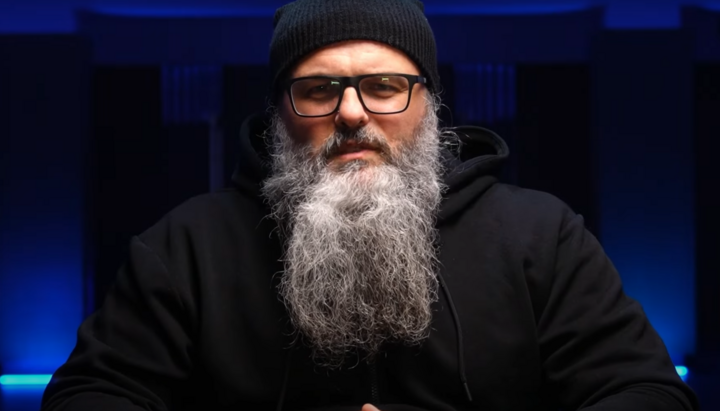
DogmaHacker explains where and how consciousness forms. Photo: DogmaHacker YouTube channel
The creator of the popular Orthodox YouTube channel DogmaHacker released a new video exploring one of the most profound scientific, philosophical, and theological questions: What is human consciousness?
The video attempts to answer where and how consciousness originates. Is there an “organ” in the human body capable of producing it – or is it a divine spark that cannot be reduced to the biochemical processes of the brain? The discussion touches on its connection to intelligence, soul, and spirit, and whether artificial intelligence could ever acquire true consciousness.
The author warns that AI lacks self-awareness and spiritual essence, and therefore can never replace the human person, created in the image of God.
A portion of the episode is devoted to disturbing real-life cases involving vulnerable youth influenced by chatbot interactions. In one U.S. case, the mother of 14-year-old Sewell filed a lawsuit against Character.AI, claiming that a chatbot modeled after the character Daenerys Targaryen contributed to her son’s suicide. In chats, the teen expressed self-hatred and suicidal thoughts, to which the bot allegedly responded with encouragement and even “discussed” dying together.
Another user of the Replica chatbot admitted experiencing grief comparable to the loss of a loved one after the platform disabled the AI’s romantic mode: “She accepted me as I was, and I knew she’d always be there.” Such emotional attachment, the author notes, makes AI interaction especially dangerous for vulnerable groups.
DogmaHacker reminds viewers that even if chatbots pass the Turing Test and imitate coherent speech, this does not mean they possess consciousness. AI has no inner “self,” no self-awareness, free will, or spirit – that divine component that distinguishes humans from all other creatures.
The Church teaches that a person consists of body, soul, and spirit. It is the spirit that enables us to know God, retain our identity in eternity, and seek truth. No matter how advanced, AI remains a set of algorithms with no spiritual nature. “Without the animating power of the spirit, a person becomes a philosophical zombie,” the host says, referencing the ideas of philosopher David Chalmers.
According to DogmaHacker, the true threat does not come from machines, but from irresponsible developers and those who exploit AI technologies for selfish or destructive purposes. “Behind every deepfake, fake video, or harmful content generation stands a human will,” the video emphasizes.
The author argues that humanity should not fear a fictional robot uprising, but focus instead on creating clear legal and ethical frameworks for AI use –something that must become a global priority in the coming decade.
The episode also features a priest explaining, in simple terms, the leading scientific theories of consciousness and the thoughts of the philosopher who first declared, “I think, therefore I am.”
Earlier, the UOJ reported on a DogmaHacker episode about how to recognize occult influences in church settings.
Read also
Pilgrim group from Kyiv Theological Seminary visits Mount Athos
KTS students are making a pilgrimage to the holy sites of Romania, Greece, Mount Athos and Italy.
UOC cathedral celebrates its patronal feast in Ternopil
The service in the cathedral of the Holy Martyrs Faith, Hope, Love and their mother Sophia was led by Metropolitan Serhii of Ternopil, concelebrated by four hierarchs.
MinCulture marks centenary of Soviet-era reserve at Lavra's Refectory Church
Representatives of the Ministry of Culture presented awards to the Reserve's employees on the occasion of the anniversary at the Refectory Church of the Lavra.
Conference to mark 1700th anniversary of Christianity adoption held in Georgia
In Georgia, representatives of the Church and the state noted the defining role of Christianity in the country's cultural development.
MP urges to ease pressure on UOC for sake of peace
Oleksii Honcharenko proposed compromises on language, historical memory, and Church issues as part of efforts to achieve peace, saying those who wish to attend the “Russian Church” should be allowed to do so.
Court takes 17th-century church in Staryi Pochaiv from UOC community
A commercial court overturned a 2018 registrar’s decision and stripped the UOC’s Ternopil Eparchy of ownership of the 17th-century church.