SBU finds no prohibited symbols in UOC cross procession to Pochaiv
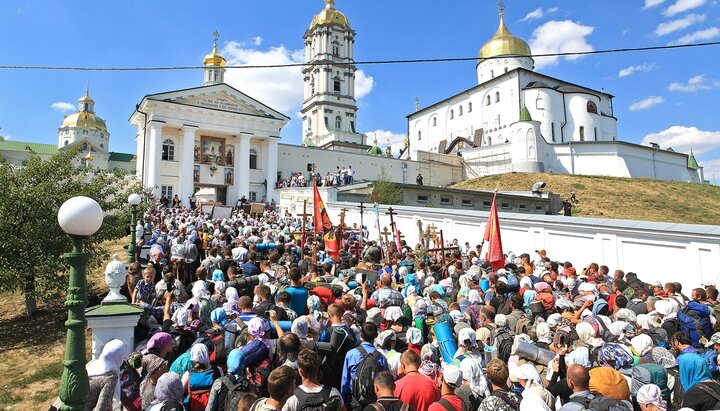
An MP from the European Solidarity Volodymyr Aryev on his Facebook page said that the SBU did not find any provocative materials during the UOC cross procession from Kamyanets-Podilskyi to the Pochaiv Lavra.
The SBU responded to his statement that "no items, symbols or provocative materials prohibited for circulation were found" and no facts of activity in support of Russia were established.
"No activities in support of the aggressor, no provocative materials (a portrait of the Russian Tsar Nicholas II) have been found in the Moscow Patriarchate's "procession". All is well. With respect, your SBU. This is how we live...,", says the deputy’s message.
As earlier reported, the cross procession to Pochaiv has passed, but the "patriots" are still waving their fists.
Read also
Persecuted Intercession parish celebrates patronal feast in Hostomel
Archbishop Spyridon of Dobropillia and Bishop Arkadiy of Hostomel celebrated the Liturgy in adapted premises for the feast of the Intercession of the Most Holy Theotokos.
Stefanchuk discusses Pope's visit to Ukraine with Vatican Secretary of State
Ruslan Stefanchuk said the Pope's arrival would be a powerful sign of spiritual support and solidarity for Ukraine.
Khmelnytskyi Eparchy holds motorcade procession on Feast of Protection
During the motorcade procession, Metropolitan Victor blessed the roadside crosses at the entrances to Khmelnytskyi with holy water.
UOC hierarchs lead patronal feast at Intercession Monastery in Molodiia
Metropolitan Meletiy of Chernivtsi and Bukovyna led the festive Liturgy at the Intercession Convent in the village of Molodiia.
DESS declares UOC Zaporizhzhia Eparchy affiliated with ROC
The Zaporizhzhia Eparchy has become the fourth UOC religious organization to be declared affiliated with the Russian Orthodox Church by Ukrainian authorities.
Metropolitan Onuphry leads patronal feast at Kyiv’s Intercession Monastery
The UOC Primate ordained a priest and a deacon at St. Nicholas Cathedral of the Intercession Monastery.