
From sanctuary to storage: how seized UOC churches are being repurposed
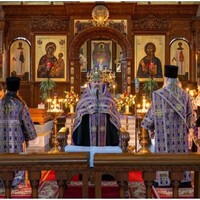
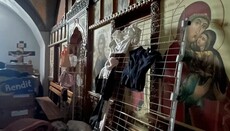
In Korsun-Shevchenkivskyi, members of the OCU are reportedly using the Church of the Savior Not Made by Hands – seized from the UOC – as a storage site for clothing.
In 2023, the UOJ released a report titled “Hollow Church of Ukraine,” showing churches that had “voluntarily transferred” to the OCU but, on a Sunday, stood locked or deserted.
Two and a half years have passed. Has anything improved? Have these churches filled with worshippers?
They have not. Which leads to the sharper question: if people are not there, what is? These buildings must be maintained, heated, and kept on the books – utilities do not pay themselves. In remote villages the outcome is grim: churches simply stand, neglected and crumbling. But in cities, a different instinct seems to have kicked in – a commercial one.
In spring 2025, a scandal flared when an OLX listing appeared offering for rent the Sunday school premises of the seized Sts. Boris and Gleb Church of the UOC in Vyshhorod. In plain terms, critics said, someone was trying to monetize confiscated church property.
Now another, even more shameful detail has surfaced. In Korsun-Shevchenkivskyi, the seized Church of the Savior Not Made by Hands is reportedly being used as a clothing warehouse. Photographs show the interior choked with bales of goods. Racks and benches have been set прямо on the ambo, so close they almost brush the icons on the iconostasis. All this while the displaced parish has spent 21 months praying outside – on the street – before the shrine that was taken from them.
At one point, notorious MP Poturaev sneered that once UOC churches were shut, they could be turned into anything at all – casinos, vegetable storehouses, whatever one pleased.
It is hard not to feel that, for some, those words were not heard as sarcasm – but as practical guidance.
.jpg)
.jpg)