
Underground crypts discovered beneath 18th-century Armenian church in Frankivsk
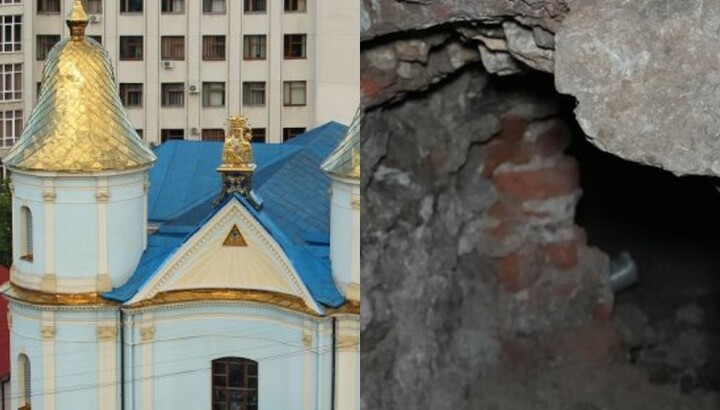
Several underground chambers have been found beneath a national-level architectural monument, possibly connected to burials and historic city passages.
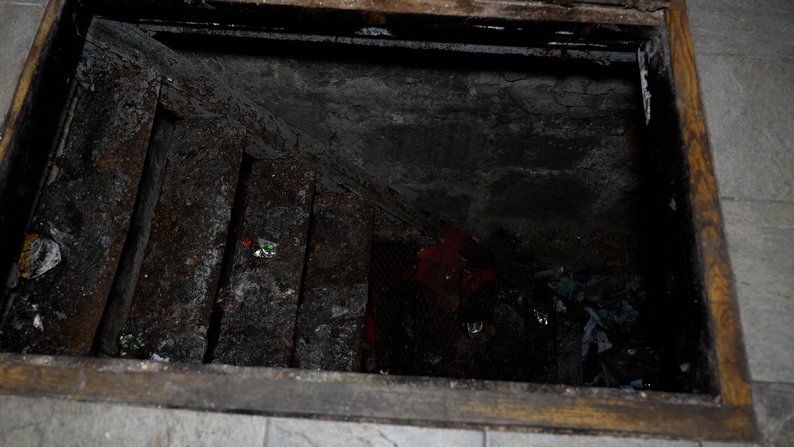
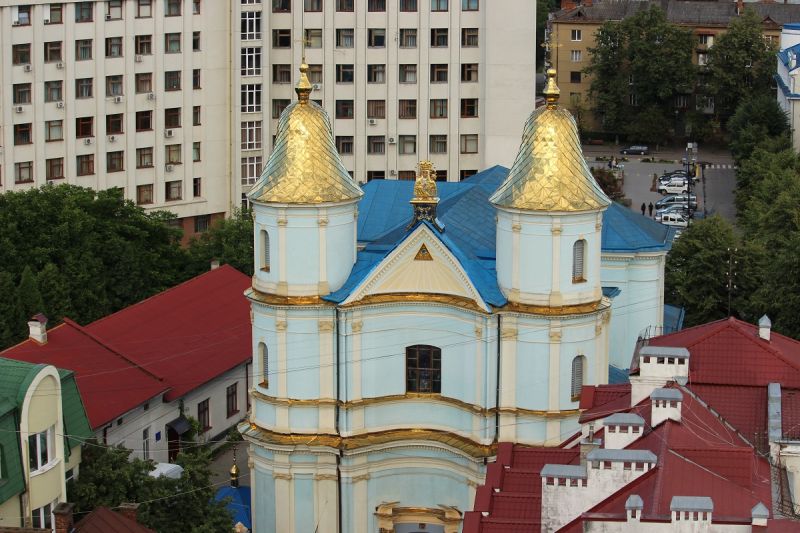
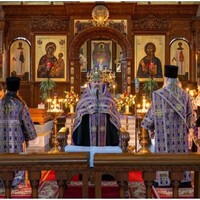
In Ivano-Frankivsk, underground crypts previously unknown to specialists have been discovered and are now being studied beneath an 18th-century Armenian church. The work is being carried out at the Cathedral of the Protection of the Most Holy Theotokos – a national architectural landmark – Suspilne reports.
Research into the underground spaces began on December 12. The work involves employees of the municipal enterprise “Memory,” representatives of the Ivan Krypiakevych Institute of Ukrainian Studies of the National Academy of Sciences of Ukraine, and specialists from the Ivano-Frankivsk City Council’s cultural heritage protection department. As of December 17, researchers had gained access to four underground chambers, some of which were found to be filled with construction debris.
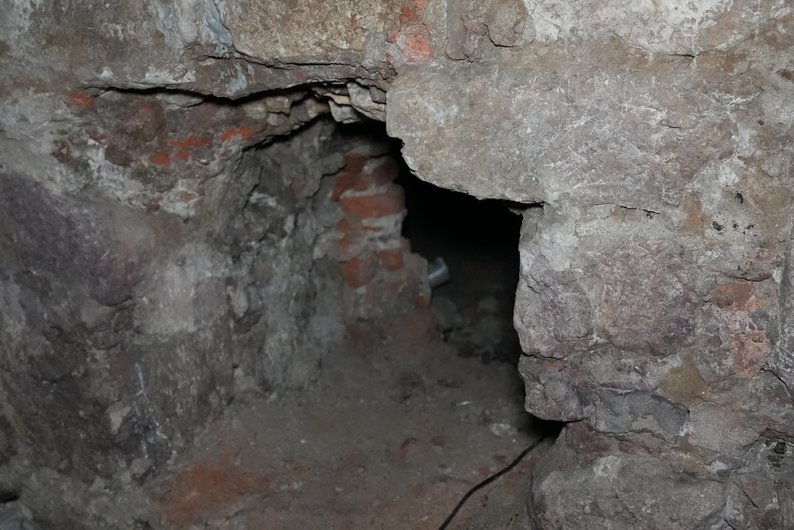
According to Vasyl Tymkiv, director of the municipal enterprise “Memory,” one of the underground rooms was used for burials, with a passage behind it leading to the central crypt – the largest of the chambers. Most of this space is filled with fragments of building structures, believed to have been dumped there during the Soviet period. Researchers also uncovered destroyed and sealed-off passages, the purpose of which remains unclear.
The researchers do not rule out the existence of another underground chamber beneath the church, with its entrance currently sealed. This conclusion is based on architectural drawings of the church’s ground floor. Specialists now plan to make a small opening and lower a video camera inside to determine whether the space contains a crypt, burials, or other features.
According to participants in the study, one of the sealed passages may extend beyond the church’s foundation and be connected to the underground structures of the 18th-century Stanislaviv Fortress, which once stood in close proximity to the Armenian church. The findings are to be entered into the monument’s official documentation, and further research is planned with the involvement of historians and archaeologists.
Earlier, UOJ reported that an ancient wall linked to King Herod had been discovered in Jerusalem.
.jpg)