
A unique third-century mural depicting Jesus Christ discovered in Turkey
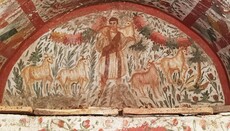
Archaeologists have discovered a rare early Christian image of Christ in an underground tomb near Iznik, which specialists describe as exceptional for this region.
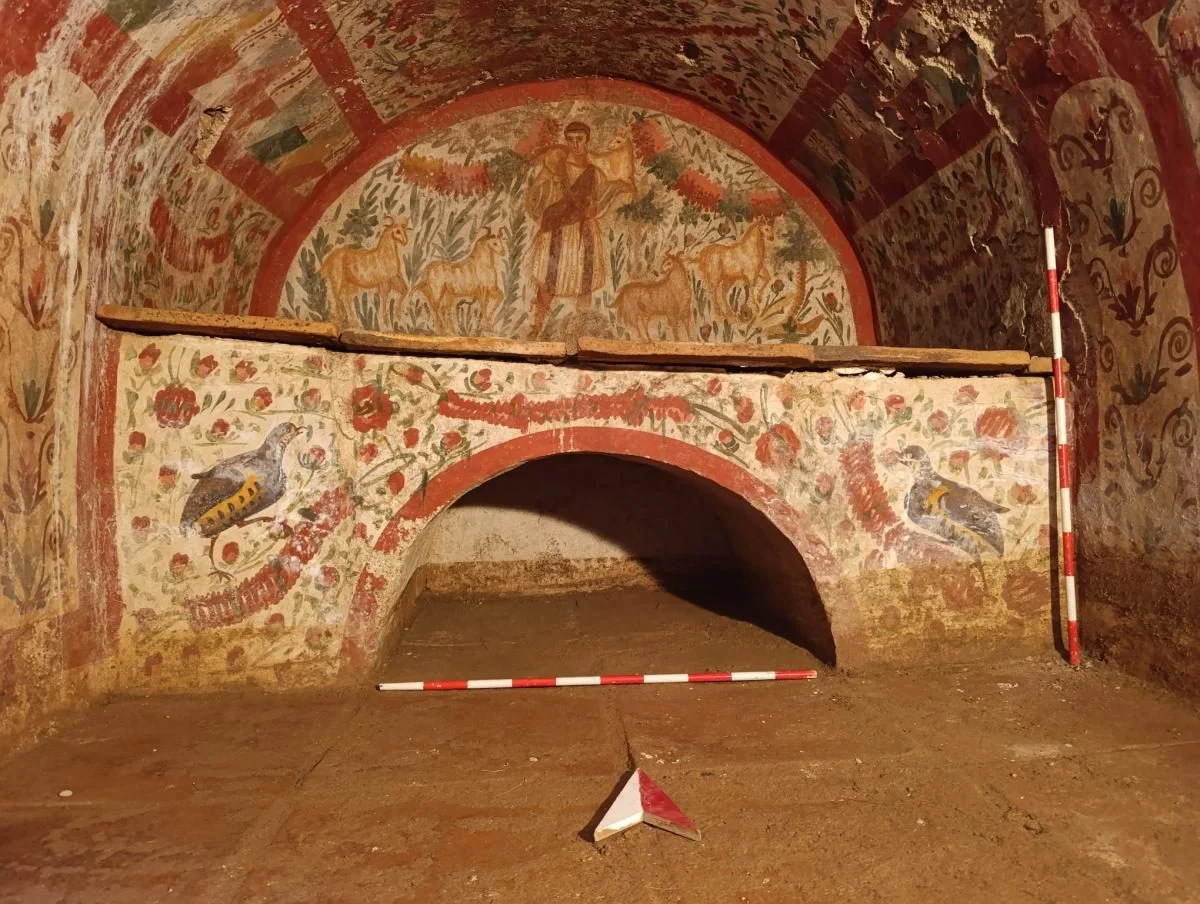
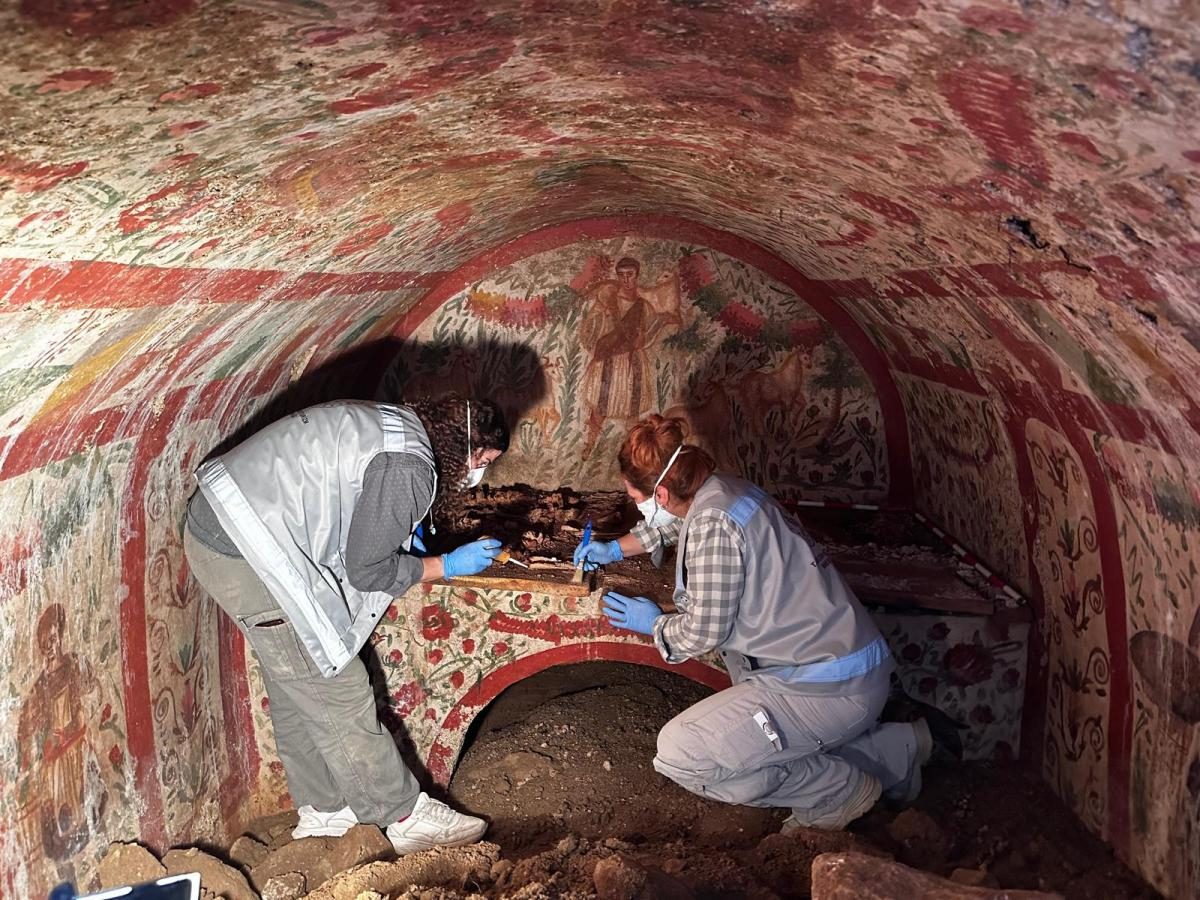
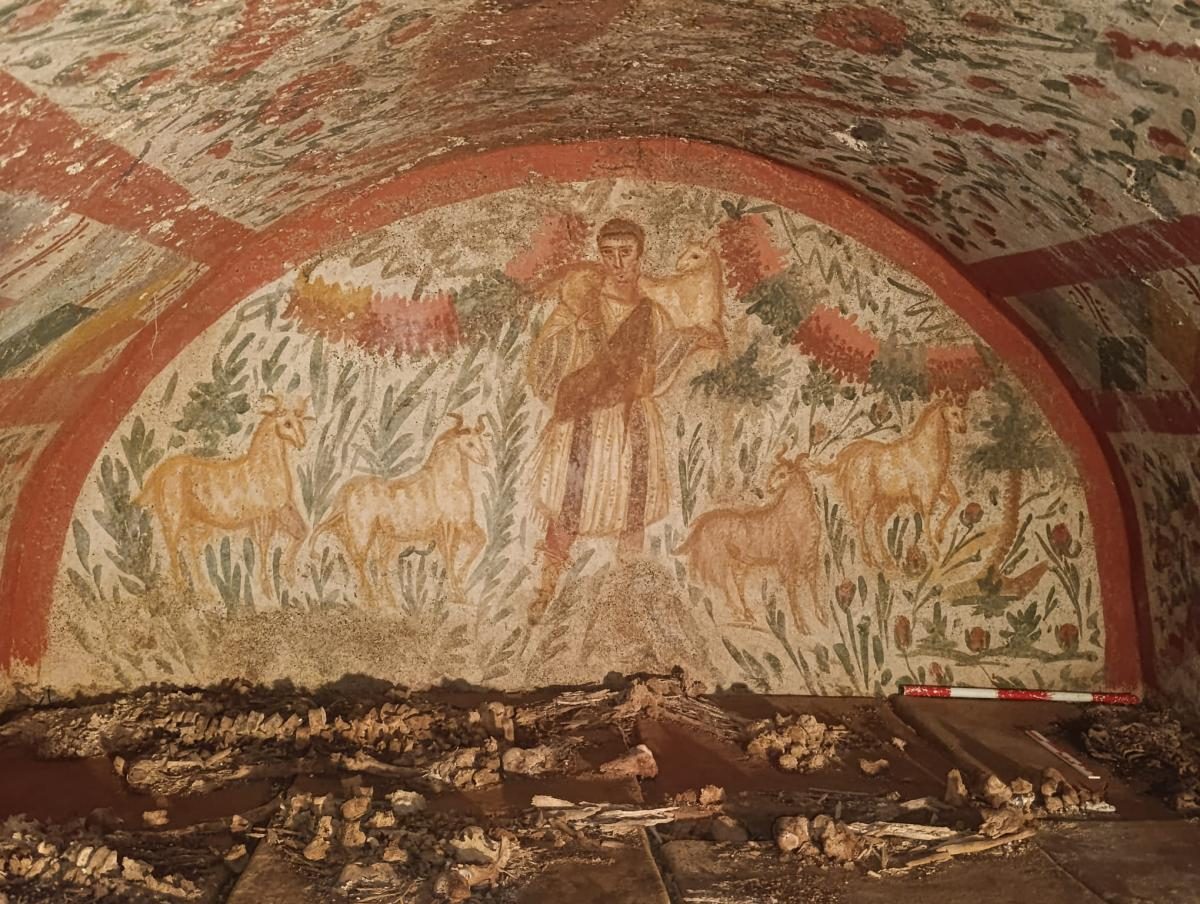
Archaeologists in Turkey have discovered a unique third-century fresco depicting Jesus Christ, found on the wall of an ancient underground tomb. The discovery was made during archaeological excavations in Bursa Province and has already been described as exceptional for the early Christian period. This was reported by the Daily Mail.
The fresco depicts Jesus in the image of the Good Shepherd – a young, beardless man in a simple tunic, walking across a field with a goat on his shoulders and surrounded by animals. Researchers note that this image directly echoes the Gospel motif “I am the good shepherd” found in the Gospel of John.
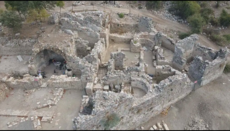
According to Turkish officials, the find is unique – it is the only known example to date of such an early Christian fresco outside Italy. Experts emphasize that the image confirms that early Christians used the same symbols and titles of Christ that are enshrined in the New Testament.
The fresco was discovered in the Hisardere necropolis near the city of Iznik – one of the largest ancient burial complexes in the region, dating from the second to the fifth centuries AD. The complex includes chamber tombs, stone sarcophagi, and underground burial vaults. The image of Jesus Christ was preserved on the northern wall of the tomb, behind the platform where the deceased were laid to rest.
Archaeologists believe that the fresco symbolizes the transition from pagan to Christian beliefs and represents significant value for the study of early Christian iconography. The discovery also highlights the importance of Iznik as a major religious center of antiquity, where the First Ecumenical Council of Nicaea was held in 325. Researchers hope that further excavations will lead to the discovery of new artifacts shedding light on the history of Christianity in Anatolia.
Earlier, the UOJ reported that a preserved fragment of a nineteenth-century wall of the Florivskyi Monastery was discovered in Kyiv.