

Jerusalem opens a Second Temple–era pilgrimage road


After 13 years of excavations in Jerusalem, a 1st-century pilgrimage route from the Pool of Siloam to the Temple Mount has been opened to visitors.
In Jerusalem, an ancient pilgrimage road linking the Pool of Siloam with the foot of the Temple Mount has been opened to the public after 13 years of archaeological work, the Jerusalem Post reports.
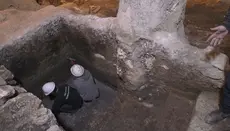
The site is a stepped street dating to the 1st century AD. In the Second Temple period, it served as the main thoroughfare for pilgrims heading to Jerusalem’s holy places during religious festivals. The street was paved with large stone slabs – and it survived so well because, after the Romans destroyed the city, it ended up buried under earth.
An ancient drainage channel was discovered beneath the road, believed to have been used by Jewish rebels during the Second Temple. According to the City of David, “cooking pots, oil lamps, hundreds of bronze coins from the Great Revolt, and even a sword belonging to a Roman legionnaire" were all uncovered in the channel.
According to the project’s organizers, the new visitor trail makes it possible to walk the very same path pilgrims used two thousand years ago – a vivid, tangible testimony to Jerusalem’s ancient history and its religious significance.
Earlier, the UOJ reported that an ancient wall linked to King Herod was discovered in Jerusalem.