
Archaeologists discover 4th-century Christian basilica in Italy
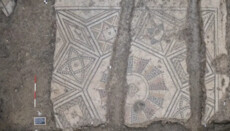
Italian authorities decided to revise a residential development plan in order to preserve the archaeological find from the Late Antique period.
In the Italian city of Oderzo, researchers have uncovered the remains of an ancient 4th-century Christian church with unique colored mosaics. The discovery was made in the province of Treviso during site preparation for residential construction on the grounds of a former fish market, La Divina Cultura reports.
Experts cleared the foundations of a large three-aisled structure with massive outer walls and buttresses. Its characteristic layout and four burials located close to the building indicate that it belonged to a church complex.
The most valuable part of the discovery is its multicolored mosaics with geometric and floral patterns, including acanthus leaves and the “Solomon’s knot” motif.
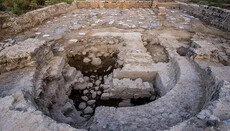
According to researchers, the discovery proves the active spread of Christianity in northern Italy in the Late Antique period. Scholars draw parallels between the basilica found in Oderzo and well-known early Christian centers in Aquileia and other parts of Italy. The find also confirms the city’s strategic role during the formation of the region’s church architectural tradition.
A temporary protective roof has already been installed over the excavation site to protect the ancient floors from bad weather. Authorities plan to alter the future residential complex project so that the mosaics and remains of the church can be made accessible to the public. Archaeologists call the Oderzo find one of the most important recent discoveries in the region.
As the UOJ reported, evidence of early Christians’ struggle against paganism was discovered in Turkey.