
The death of a monk
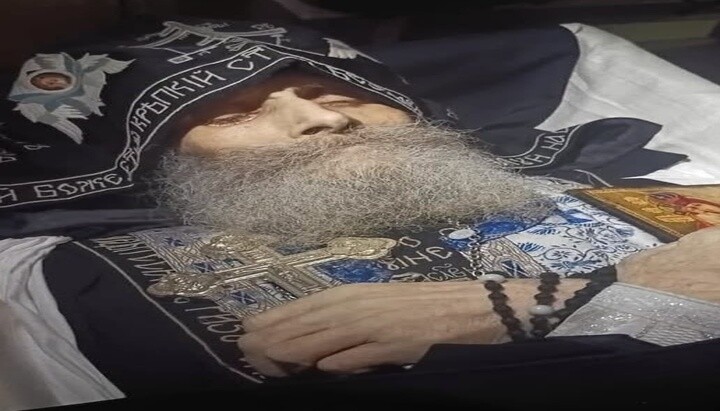
I am certainly no expert, so this is simply a personal observation. There is a striking difference between the atmosphere surrounding the death of a monk and that of a layperson.
Many of the unpleasant aspects are absent – neighbors and acquaintances offering all kinds of absurd advice about covering mirrors, turning chairs upside down, and other superstitious rituals that so often accompany funeral preparations.
There is no wailing, whether genuine or affected, to add a sense of tragic horror. There are no outsiders, no sense of confusion or helplessness. The brothers assigned to the task calmly prepare the departed monk's body, without fuss or haste. His monastic mantle, the cross and candle from his tonsure, his klobuk. That is all. A simple coffin made of bare wooden planks, without upholstery or decoration.
From the very first moments, the Psalter or the Gospel is read over the coffin, depending on whether the departed was a monk or a monk in holy orders – a hieromonk. In truth, this is the only thing his soul needs now: prayer. His body no longer needs anything except to be treated with dignity and laid to rest.
For a time, the coffin remains in the cell where the monk lived. The brothers immediately begin coming to say farewell, simply to spend some time beside him, to encounter the mystery of death and remind themselves of their own mortality.
Here, too, there are no excessively grief-stricken faces or heartrending cries. Off to one side, someone quietly discusses practical matters. Someone listens attentively to the words of Scripture, while another is lost in contemplation. You may even see a smile, and it will not seem out of place.
A monk is already dead to the world while still alive. There is nothing surprising about that. Although there is a sense of awe before the mystery of passing into another world, it was precisely in preparation for this moment that he put on his black robes.
But above all, there is a feeling of peace and stillness all around. No one knows what awaits a soul after death, yet the prayer "Grant rest, O Lord" expresses a firm faith that the Lord will indeed grant that rest.
Then comes the litia, a brief memorial service, followed by the transfer of the body to the church. Now laypeople, too, can come to spend time beside the departed and say their farewells.
Beginning on the day of his repose, the brothers make three bows each day while praying for the newly departed. For 40 days, his name is commemorated in the litanies for the departed during the Divine Liturgy.
Then come the funeral service, the procession to the cemetery, and the burial.
A monastic cemetery, too, has its own distinctive atmosphere of silence and peace – a stillness that seems to flow into you and fill your heart.
"Remember your last end, and you will never sin."
The remembrance of death is one of the fundamental spiritual disciplines of monastic life. It helps quiet the passions that rage within us.
What if today is my last day? What if the moment comes right now?
"As I find you, so shall I judge you."
What occupies my thoughts? Where are my desires directed?
If a monk lived a righteous life, helped others, and people experienced the power of his prayers, they will continue visiting his grave even after his death.
And if, through his prayers, they receive from God what they ask for, it means that a new saint has been born – one who may someday be officially glorified by the Church.
Hierodeacon Iriney Usenko