Metropolitan Clement speaks about the anathema of Mazepa
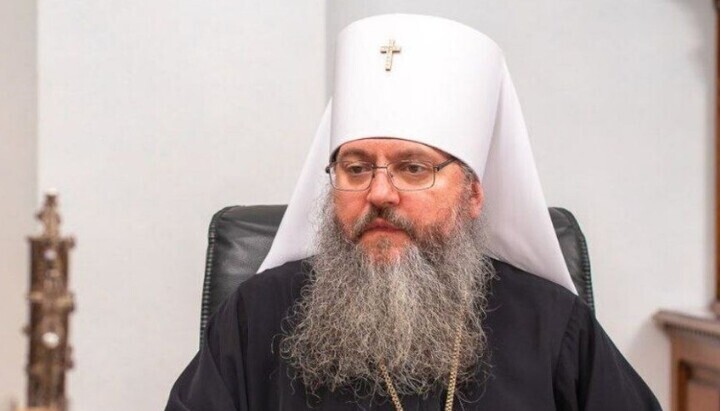
Metropolitan Clement. Photo: orthodox.cn.ua
Metropolitan Clement (Vecheria), head of the Synodal Information and Education Department of the Ukrainian Orthodox Church (UOC), commented on the anathema against Hetman Ivan Mazepa. In an interview with the BBC, the hierarch emphasized that the anathema against Mazepa is more historical and political than ecclesiastical in nature.
"On a basic level, the very concept of anathema is often misunderstood, even seen as superstition. Anathema is not a curse; it is a declaration of whether a person considers themselves part of the Orthodox Church. If a person has not transgressed against the church and faith in which they were baptized –in the context of Mazepa’s biography, he identified himself until his death as a faithful son of the Russian Orthodox Church – then such a person is not under anathema. There are individuals who have not been specifically named in anathemas, yet their positions regarding the Church clearly fall under so-called anathematized actions proclaimed annually by the Ecumenical Patriarchate and other local churches.
As a politician, Mazepa had different views during various periods of his life. Interestingly, he was among those hetman representatives who insisted that the clergy of Kyiv collectively decide to subordinate the Kyiv Metropolis to the Moscow Patriarch. Biographers recount many details about his personal life that, over time, cannot be confirmed or refuted," explained Metropolitan Clement.
The hierarch reminded that Ivan Mazepa was an active patron of the Church and built many Orthodox churches in present-day Ukraine. He noted that despite the anathema, prayers for the repose of Mazepa’s soul, as a "builder and benefactor," were performed in these churches.
"However, it is an indisputable fact that Ivan Mazepa was a generous patron of the Orthodox Church. In the Church, prayers for benefactors and donors are offered daily during sacred moments of worship. Therefore, his donations, including those for the construction of churches, became the basis for these prayers, regardless of other political factors," the Metropolitan emphasized.
Metropolitan Clement also expressed regret that such prayers ceased after the state confiscated the churches built by Mazepa from the UOC and turned them into museums.
"Today, one reality persists: most of the churches built with Ivan Mazepa's funds have been taken from the Church by the state and turned into museums. Prayers there, including those for deceased benefactors, have stopped, and now one can only enter these donated churches by paying an entrance fee. Therefore, when reflecting on the afterlife of this hetman, I would focus less on long-past events and more on the contemporary attitude toward this historical figure and his will regarding Church prayers for his soul. Such prayers have been interrupted not by the anathema but by the Ministry of Culture’s directives," Metropolitan Clement stressed.
As previously reported by the UOJ, after his victory, Ukrainian boxing champion Oleksandr Usyk raised above his head Hetman Ivan Mazepa’s saber, which bears an image of the Mother of God.
Read also
Lithuanian bishop: Ukraine is no model for believers' rights
Vicar of Vilnius Diocese voices concern over attempts to import Ukraine's religious conflict into Lithuania.
Hundreds of believers honor St. Alexis of Carpatho-Russia in Khust Eparchy
At the St. Nicholas Monastery in the village of Iza-Karputlash, Metropolitan Mark of Khust led a festive liturgy, concelebrated by six metropolitans, five archbishops and three bishops.
Court upholds UOC parish appeal in Voloshky over OCU switch dispute
The Northern Commercial Court of Appeal has upheld the appeal of the St. Nicholas parish of the UOC in the village of Voloshky, Volyn region, in a dispute over a transfer to the OCU.
Zelensky says 9.5M Ukrainians expected to return home from abroad
Zelensky stated that 9.5 million Ukrainians who left abroad are expected to return home to rebuild the country.
German theologian criticizes Ukrainian authorities' pressure on UOC
German theologian Regina Elsner has said that pressure from the authorities on the Ukrainian Orthodox Church places an additional heavy burden on believers during the war.
Poland bans entry to Lviv official over SS Galicia and UPA glorification
Polish Foreign Minister initiates entry ban on Lviv Regional Council deputy who proposed declaring 2027 the Year of the UPA.