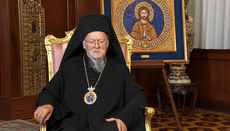

Orthodox primates remain silent about UOC persecution, Greek media
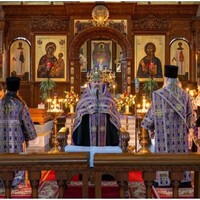
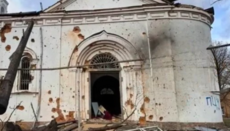
Greek Orthodox media noted that amid pressure from Ukrainian authorities on the UOC, most heads of local Churches avoid taking a public position.
On January 19, 2026, Greek journalist Yannis Papanikolaou published material about the situation with the Ukrainian Orthodox Church, pointing to the absence of public reaction from the majority of primates of local Orthodox Churches. The article was published on the website of the Orthodox resource Vima orthodoxias.
The publication notes that against the backdrop of active discussion of military and geopolitical processes, the issue of pressure on the Ukrainian Orthodox Church remains without proper attention from world Orthodox leadership. According to the author, statements by the majority of primates are limited to general calls for peace without mentioning specific facts of violations of believers' rights.
According to the Greek media, especially after 2024, the church question in Ukraine was actually included in the state agenda as an element of "national security". Adopted legislative decisions, including law 3894-IX, became the basis for government actions that led to restrictions on UOC activities, however these steps did not receive assessment from a significant part of Orthodox leaders.
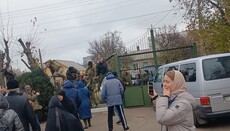
The publication reports on raids on churches and monasteries, removal of clergy and pressure on parishes to change church affiliation. Despite incoming information and appeals from believers, the majority of primates, as emphasized in the material, prefer not to speak publicly about these facts.
The case of the Kyiv-Pechersk Lavra, one of the holiest centers of the Orthodox tradition, has particular symbolic weight, the publication stresses. The brotherhood has been faced with eviction orders and access restrictions, while the monks have refused to leave the site, emphasizing that it is not state property but a living spiritual organization. However, even this high-profile episode, according to the author's assessment, did not become grounds for a clear and open position from the majority of heads of local Churches.
The publication concludes by noting that the continuing silence of Orthodox primates creates a dangerous precedent in which state pressure on the canonical Church remains without pan-Orthodox reaction, despite declared commitment to principles of religious freedom.
Earlier, the UOJ wrote that Dumenko assured the German ambassador of the absence of UOC persecution.