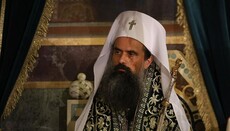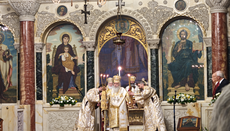

Orthodoxy becomes the second largest Christian denomination in Austria
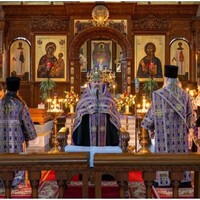
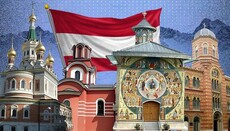
In Austria, official data indicates an increase in the number of Orthodox Church followers in the country.
In January 2026, data released by Austria’s official statistical service showed that the Orthodox Church had become the second-largest Christian denomination in the country. This was reported by the Union of Orthodox Journalists in Germany.
According to the published information, about 436 thousand people in Austria identify themselves as Orthodox, which constitutes approximately 4.9% of the population. Experts note that interest in the Orthodox tradition in the country continues to grow steadily.
The historical presence of the Orthodox Church in Austria spans several centuries. The first Orthodox parishes appeared there as early as the 17th century, during the period of the Habsburg Monarchy, primarily in Vienna. The current legal status of Orthodox communities is regulated by the federal “Law on Orthodox Churches,” which has been in force since 1967.
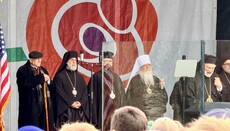
At present, seven Orthodox jurisdictions are represented in Austria; since 2010, they have been members of the Conference of Orthodox Bishops. Alongside them operate parishes of the Russian Orthodox Church Outside of Russia and the Macedonian Orthodox Church. Following the outbreak of hostilities in 2022, a significant number of Ukrainian Orthodox Christians joined existing parishes, and new communities were also established, including in Vienna.
An additional factor contributing to growth has been the development of Orthodox religious education and the use of the German language in liturgical life. This facilitates the participation of young people and converts, fostering the perception of Orthodoxy as an integral part of Austria’s social and cultural reality. Orthodox communities are actively involved in social and charitable activities, and in recent years new churches have been built and consecrated in various regions of the country.
Experts note that the combination of historical continuity, migration processes, missionary activity, and interest from the local population indicates further sustainable development and strengthening of the Orthodox Church's position in Austrian society.
Earlier, the UOJ wrote that the Primate of the Albanian Orthodox Church emphasized the significance of Orthodoxy for the country's integration into the EU and interreligious balance in society.