

The bone of the land: why the Dniester’s rock monasteries cannot be ruined
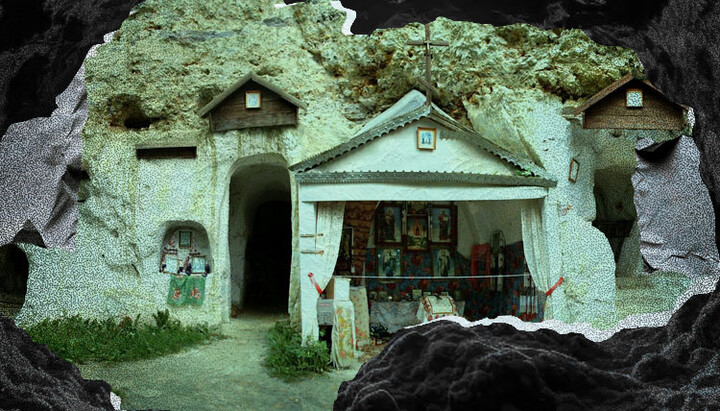
Liadova and Bakota are silence within stone, having survived horde raids, explosion and flooding. A story about places where life went underground to preserve itself.
The trail above the Dniester is a narrow, weathered ledge on the body of a massive limestone cliff. You have to walk carefully, feeling the rough, dry surface of the rock against your back, while seventy meters below your feet the мутные river waters heave and lap heavily. The wind in this canyon lives by its own laws: even if there is a complete calm on the shore, here it whistles through the crevices, testing a person's balance.
It’s enough to take a step aside, to slip into an inconspicuous crack in the rock – and the familiar world instantly falls silent.
Inside the caves of Bakota and Liadova, the temperature is always the same – about twelve degrees above zero. This inner calm of the rock is protected by millions of tons of stone. The porous rock has a special property: it absorbs sound. Outside, regimes may collapse or cities may be built, but here time has frozen in stillness.
A temple in stone
In the rock monasteries of the Dniester, space was born differently: the monks removed the unnecessary. They entered the chaos of the rock and freed from it a place for prayer, as sculptors free a figure from a marble block. The altar leaves the strongest impression. It is carved directly into the living rock. This church has no walls that can be dismantled brick by brick, and no roof that can be broken through. The entire rock became a temple.
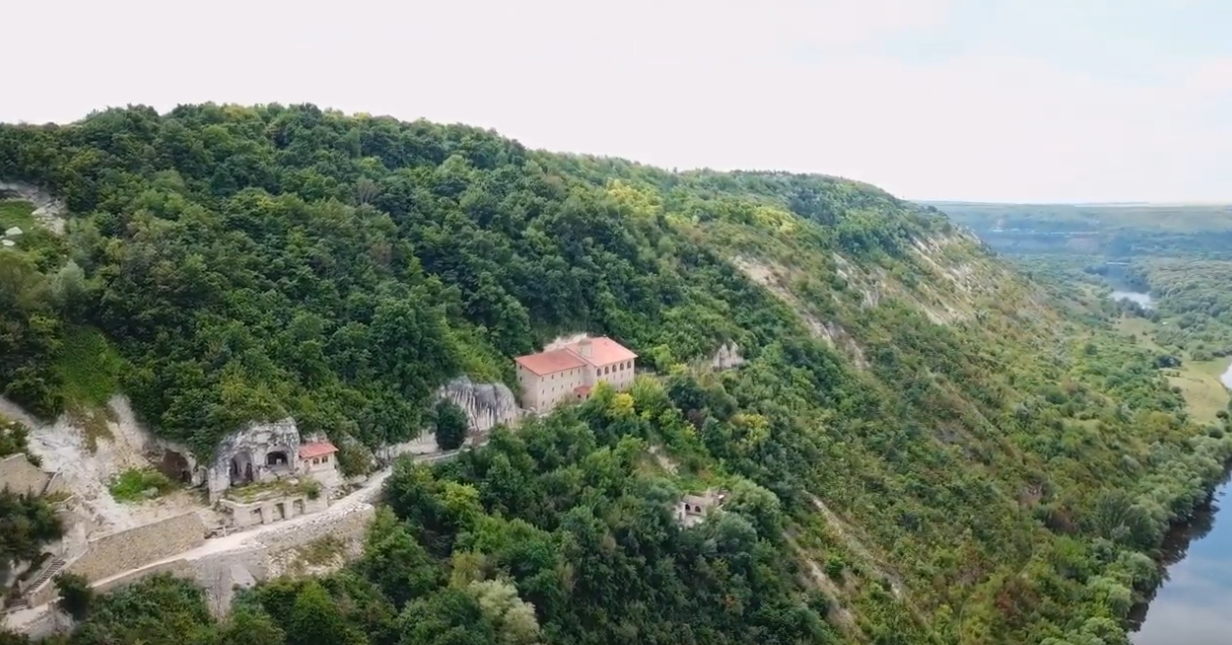
According to monastic tradition, Saint Anthony of the Caves entered these caves. He carved out a cell here, prayed, and went further north. This tradition lives not so much in documents as in the very flesh of the place, showing through the soft limestone in half-erased inscriptions.
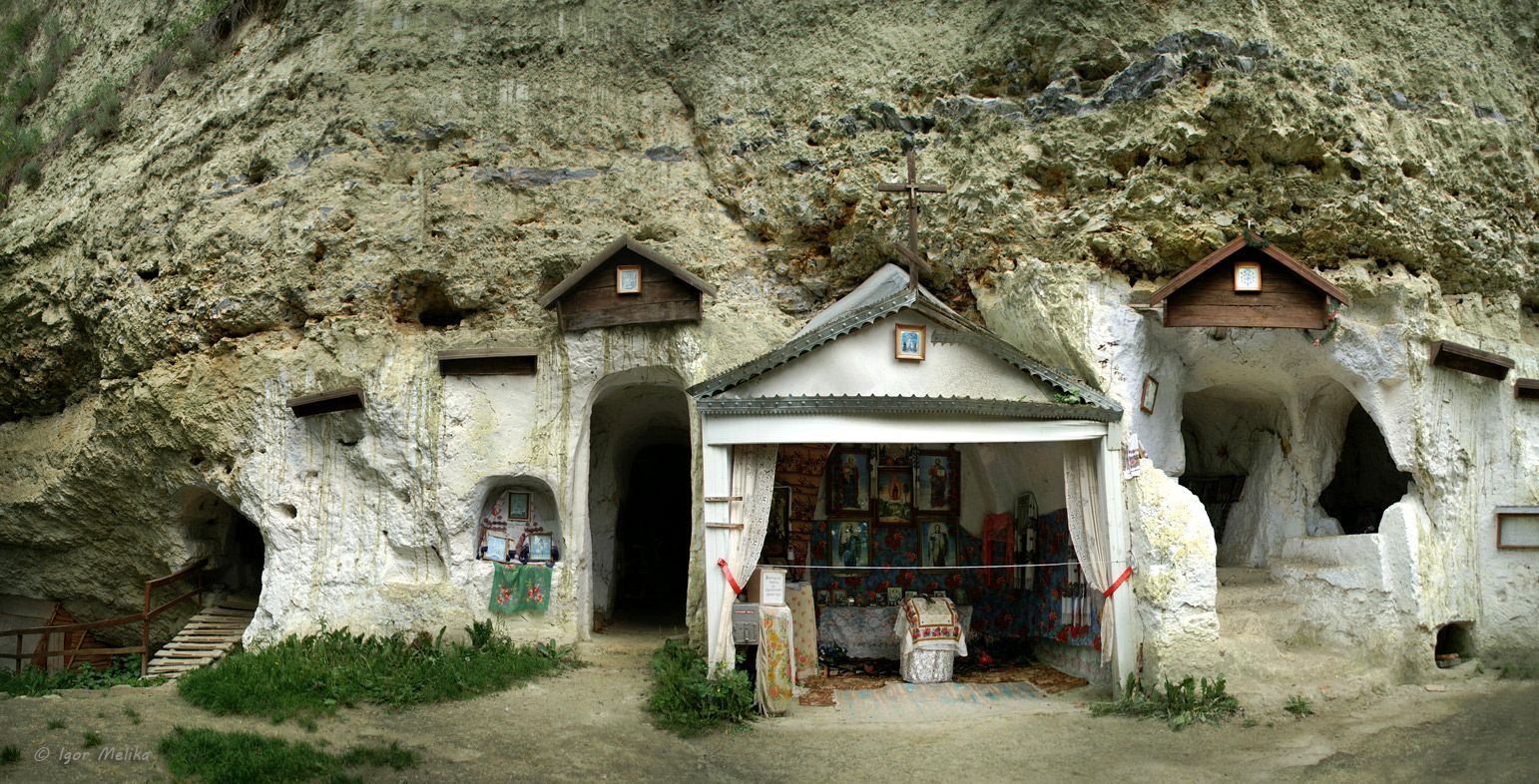
The cells here are carved with austere simplicity. The ceiling is slightly below human height. This forces the shoulders to drop and the head to bow. A monk in such a cell never stands upright. Bowing becomes the natural state of a person living inside the rock. The church here was protected by its complete invisibility to those who looked from below, from the river. It hid in the folds of the earth, becoming part of the landscape.
Three attempts to erase the trace
The history of these monasteries is filled with moments when quiet stubbornness defeated brute force. There were three attempts to destroy them, and each time life went deeper into the stone.
In the 13th century, when the horde came to the Dniester shores, residents and monks took refuge in the caves of Bakota. The conquerors demanded renunciation. Receiving refusal, they blocked the entrances with huge boulders, turning the monastery into a walled tomb. Centuries later, when the blockages were cleared, it turned out that the monastery had survived. It was not torn apart because it was part of the rock. The stone preserved everything: the inscriptions on the walls, the ossuaries, and the memory of those who remained inside.
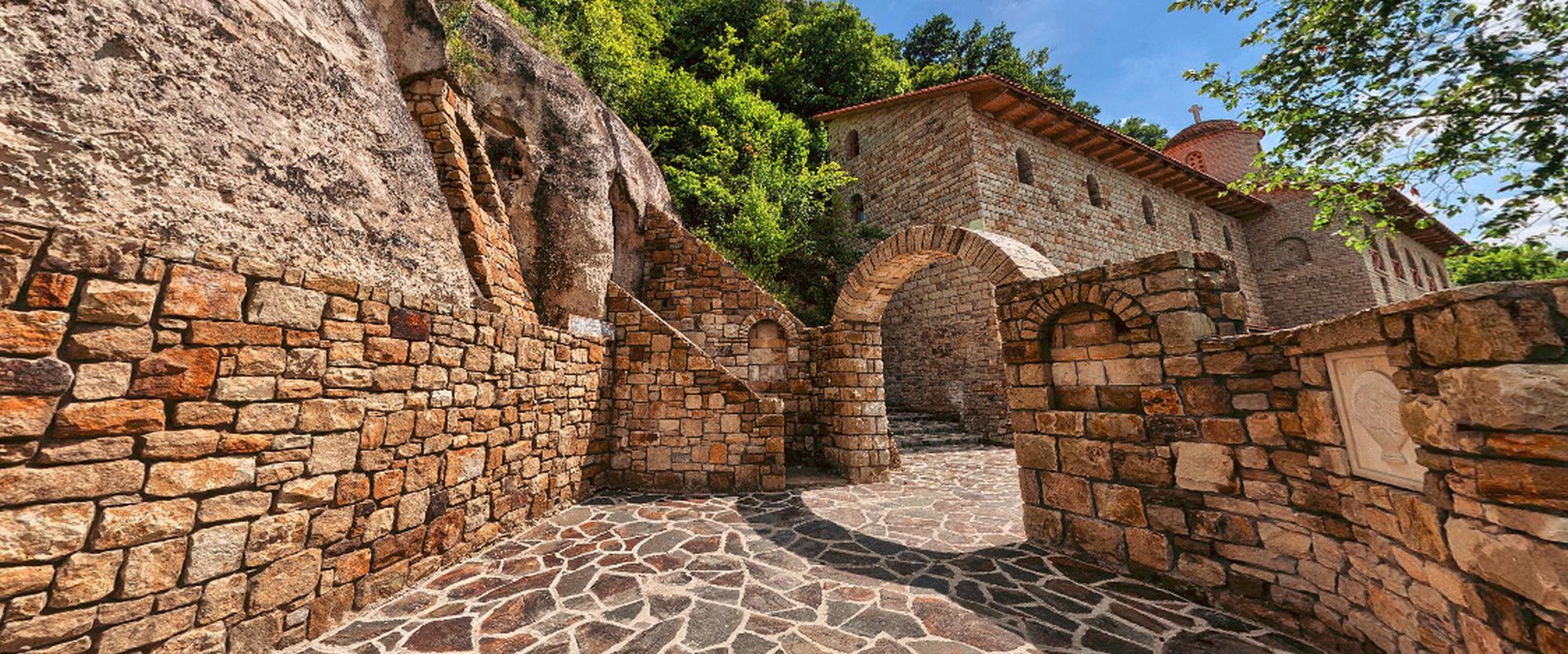
In 1938, the Soviet authorities approached the issue technologically. Explosives were placed under the above-ground structures of the Lyadova Monastery. The goal was simple – to collapse all the buildings into the Dniester. The explosion was so powerful that the rock trembled, and a large wave swept along the river. But the caves, extending deep into the rock mass, withstood it. The force of the blast shattered against the monolith. What had been built by humans was reduced to dust. What had been carved into the rock body remained standing.
In 1981, the construction of the Novodnistrovsk Hydroelectric Power Station became the final test. They decided to flood the entire valley. Villages, gardens, centuries-old cemeteries, and old roads went under water, becoming the bottom of the reservoir. Bakota disappeared beneath the surface of the artificial sea. But the water stopped exactly where the thresholds of the rock monastery begin. It remained the only living trace for kilometers around. The water could not rise higher – the rock proved stronger than the ambitious plans of engineers.
Silence in niches
In the depths of Bakota's corridors, niches are carved into the walls. Nameless skulls are laid in rows within them. This is an Athonite tradition: several years after burial, bones are raised, washed, and placed in a common ossuary. Complete equality reigns here – time and prayer have erased any distinctions between abbot and novice.
A monk passed by these niches every morning, going to service.
Death here is devoid of frightening pathos. It lies nearby, gazing at the world with empty eye sockets, reminding us that everything human is only a fleeting shadow on a chalk wall.
These white bones in white niches seem to be a continuation of the rock itself.
In the 19th century, archaeologist Volodymyr Antonovych found an inscription in Bakota, scratched into the soft rock: "Christ bless Gregory the abbot...". We do not know who this Gregory was or in what time he lived. But his name survived invasions, explosions, and the great flood. Someone once took a sharp object and inscribed a person into the annals of eternity.
Depth that gives birth to life
In the Epistle to the Hebrews there are words about those who "wandered in deserts and mountains of the earth, living in caves and in holes in the ground." (Heb. 11:38). To an outside observer, this sounds like a description of extreme deprivation. But for the inhabitants of Liadova, this was a conscious choice. In biblical tradition, the cave came to symbolize both the birth of life and the site of the Resurrection.
These monasteries survived not because of massive walls. They endured because they moved into the depths, where social storms cannot reach.
This suggests a metaphor for inner life: when everything outside is collapsing or being flooded, salvation can only be found in that “rock” which cannot be blown up.
Liadova and Bakota remain monuments to the human ability to preserve silence in the epicenter of the storm. While the Dniester rolls its waters somewhere far below, these caves continue to maintain their twelve degrees above zero. If architecture is frozen music, then rock monasteries are frozen silence.