
Theology of worn-out shoes
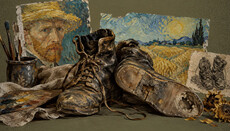
A painting of a pair of old shoes in a Dutch museum preserves the memory of an ordinary working person and a life of hard labor.
In one of the spacious galleries of an Amsterdam museum hangs a painting depicting two old shoes on the floor. Their laces are knotted, their toes worn to a pale sheen, and their soles caked with dried mud. Vincent van Gogh painted the work in Paris in the summer of 1886, transforming an ordinary article of clothing into a poignant testament to the hardships of human life.
Creativity amid rain-soaked streets
The artist bought the pair at a flea market for a modest price. François Gauzi, who studied alongside Van Gogh at a Paris studio, recalled that the shoes looked quite ordinary – clumsy but clean, carefully polished by their previous owner. But the artist had no use for such neatness.
One afternoon, a downpour began. Van Gogh put on his newly purchased shoes and set off on a long walk along the city walls. Sticky mud worked its way into the leather, soaked the seams and lodged in the creases. The walk gave the shoes a character of their own. In this way, the observant artist was able to capture the kind of wear that comes from hard labor.
The scuffed leather preserves the memory of every step taken by its owner. Strangely enough, the absence of the person himself creates a remarkable sense of presence. The shoes have been taken off and left by the door, yet their owner seems to have stepped outside for only a moment. The texture of the canvas conveys the roughness of the material so convincingly that the viewer can almost smell the dampness and sweat of a weary laborer.
A painterly memory of the mines
A closer look at the battered leather takes the viewer far from the French capital, to the impoverished Belgian mining region of the Borinage. Several years before painting his Paris series, the young Van Gogh lived among local miners and descended deep into the gloomy pits where men spent their days laboring in utter darkness. He gave money to the sick, read the Gospel to illiterate workers and tried to seek justice from local authorities, only to lose his position because of what was considered excessive compassion.
In painting scenes of peasant life, Van Gogh drew on these earlier experiences. In a letter to his brother, he reflected on a canvas depicting potato eaters, explaining that the toil-worn hands reaching for their humble meal were the same hands that had dug the damp earth. There was, in his eyes, a meaningful connection between painful calluses and a piece of bread.
The still life with shoes continues this idea. It testifies that bread honestly earned comes at the price of feet worn raw.
The world of the miners left a deep mark on the artist’s soul. Descending some 700 meters underground, hearing the creak of wooden supports, breathing suffocating mine gas and living with the constant threat of a cave-in shaped his particular understanding of physical labor. Van Gogh knew how to portray the struggle for survival. Every day, a person confronts the elements, descending into the depths of the earth with a pick and a lamp. His shoes bear the brunt of that struggle. Every scratch in the leather is a scar left by underground rock. Every crease bears the imprint of a knee bent double by toil. Looking at Van Gogh’s paintings, the viewer sees casts of human lives exhausted beneath an unbearable burden.
Philosophical debates before the canvas
Decades later, the humble pair of shoes became the subject of an intellectual debate. A German philosopher saw in the painting a dialogue between a peasant woman and the wounded earth. An art historian challenged him, arguing that the shoes belonged to the painter himself rather than to an imagined woman working the land.
The intellectuals debated the material object while leaving aside what mattered most. In the image of the shoes, the viewer encounters the figure of an ordinary person who has spent a lifetime in grueling labor and yet remained invisible to an unjust history.
The canvas invites the viewer to imagine the life of the person who might have worn these battered shoes. But the painting also has a theological dimension. The Creator looks upon worn and weary human lives with the same attentiveness with which the artist studied the sticky mud on the shoes. The Creator’s mercy is directed toward those who have worn their feet bloody while faithfully fulfilling their earthly calling. The battered leather becomes a symbol of suffering transformed. Human labor, however difficult and unnoticed it may seem, finds recognition in eternity, where it is not earthly titles that matter, but the measure of the sweat shed in one’s daily work.