
Montenegro concerned about rapid migration of Muslims from Turkey
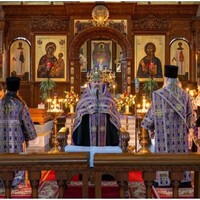

The rise in Muslim migration in 2025 triggered mass protests in Podgorica.
In Montenegro, there is growing alarm over the swift influx of Muslims from Turkey, historian and analyst Slaviša Batko Milačić said in The European Conservative.
"On October 25, 2025, a 25-year-old local man, identified as M.J., was stabbed multiple times during an altercation outside a bar. Police investigations implicated foreign nationals – initial reports mentioned three Azerbaijanis and one Turkish citizen," said the Montenegrin analyst.
This above crime and prior complaints about migrant-related disturbances, including traffic violations and crime, has fueled resentment since then.
Citizens of Montenegro accused the authorities of downplaying incidents to maintain diplomatic relations and economic benefits from investment schemes. On social media, criticism of migrants often faced censorship.
The day after the stabbing incident, hundreds of people took to the streets in Podgorica, chanting anti-Turkish slogans.
In response, Prime Minister Milojko Spajić announced a temporary suspension of the visa-free regime for Turkish citizens starting October 27, 2025, citing the need to maintain public order and to review control measures.
Milačić notes that “beyond the incident, the unrest reflected deeper anxieties about rapid Turkish migration." Official figures as of September 2025 showed over 13,300 Turkish citizens with temporary residence or work permits, dwarfing the native Turkish minority (about 1,800).
“Turkish buyers have acquired significant real estate, transforming neighborhoods and inflating prices, seen by locals as demographic shifts rather than mere investment.,” the historian said.
Central to these fears, Milačić continued, is Turkey’s neo-Ottoman foreign policy under President Recep Tayyip Erdoğan, aimed at restoring influence in former Ottoman territories. Organizations such as TIKA and Diyanet fund mosques and cultural centers, while Erdoğan emphasizes Balkan ties. Migration carried by economic settlers and investors is seen by critics as a tool of cultural and demographic influence.

"In Montenegro (population approximately 633,000; about the size of Riga, Latvia, or Palermo, Italy), with a delicate multi-ethnic balance – native Muslims (Bosniaks, Albanians) coexisting moderately with Orthodox and Catholic majorities – an influx of conservative Turks raises concerns about radicalization, sectarian divides, and political shifts," Milačić emphasized.
Protesters called on the authorities to resist Turkey’s neo-Ottoman influence, which, they say, is advancing through “peaceful” demographic and economic methods.
Earlier, the UOJ wrote that 41% of children in Austria’s capital identify as Muslim.