
Candidates for the post of Patriarch of Georgia – who are they?
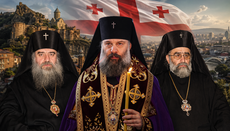
The Georgian Church is standing at a crossroads.
On April 28, 2026, the Holy Synod of the Georgian Orthodox Church took a historic step, determining three candidates for the Patriarchal Throne. Following the repose of Catholicos-Patriarch Ilia II, who passed away on March 17, 2026, at the age of 93 after leading the Church for 48 years, Georgia found itself on the threshold of a new era.
The Synod session was attended by 38 hierarchs (Metropolitan Zosima of Tsilkani and Dusheti was absent due to illness). Three candidates were nominated through secret ballot. The undisputed leader of the first stage was the locum tenens of the Patriarchal Throne, Metropolitan Shio (Mujiri) of Senaki and Chkhorotsku, who received 20 votes. The other two candidates – Metropolitan Iob (Akiashvili) of Ruisi and Urbnisi and Metropolitan Grigol (Berbichashvili) of Poti and Khobi – each received 7 votes.
The final choice will be made by an expanded assembly of the Georgian Orthodox Church (an equivalent of a Local Council), which is scheduled to take place in the Tbilisi Cathedral of the Holy Trinity (Sameba) no later than May 17, 2026. To win, a candidate will need to receive more than half of the delegates’ votes.
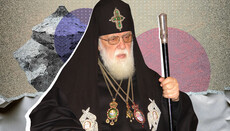
Who are these three hierarchs, one of whom will soon become the spiritual leader of Georgia? What are their biographies, theological views, and, particularly important for us in current realities, how do they relate to the Ukrainian church problem? Let us try to understand, relying on facts and expert testimonies.
Metropolitan Shio (Mujiri)
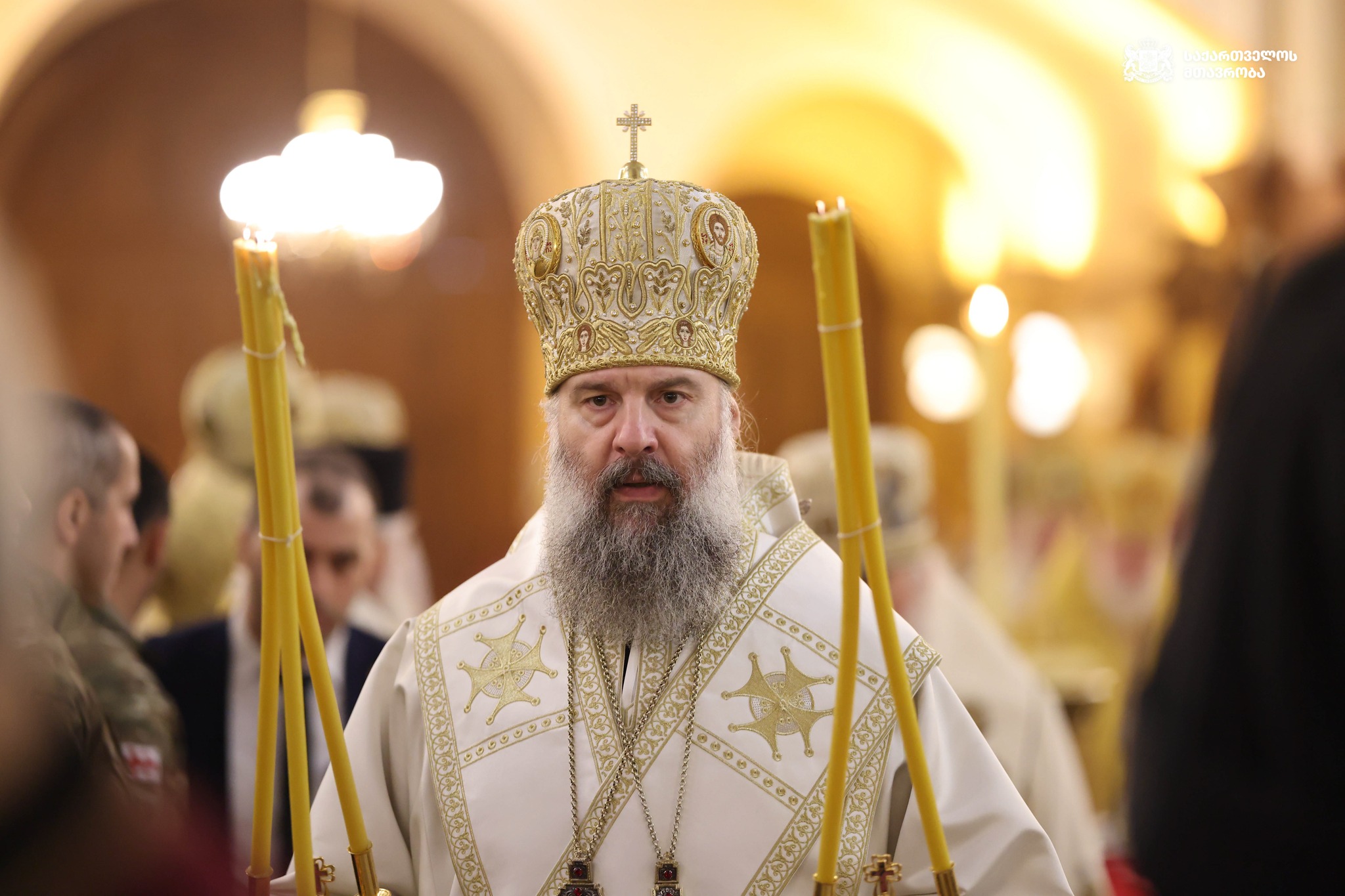
Metropolitan Shio of Senaki and Chkhorotsku (secular name Elizbar Teimurazovich Mujiri) is the figure currently attracting the most attention. He is considered the main frontrunner in the pre-election race, taking into account the results of the synodal vote and his status as locum tenens.
Biography and church path
Born February 1, 1969, in Tbilisi. In his youth, his interests lay in the field of art, and after graduating from the 53rd secondary school, he entered the Tbilisi State Conservatory in the cello class. However, in 1991, amid the turbulent events of Georgia’s gaining independence, Elizbar made a decisive change in his life, becoming a novice at the ancient Shio-Mgvime Monastery. In 1993, he took monastic vows and was given the name Shio.
In 1996, Catholicos-Patriarch Ilia II ordained him as a hieromonk. In the late 1990s, the future metropolitan served as rector in several Tbilisi churches. He graduated from Batumi Theological Seminary, studied by correspondence at Moscow Theological Academy, and then at St. Tikhon's Orthodox University of Humanities (PSTGU) in Moscow. From 2001-2003, Shio served as rector of the Church of the Great Martyr George the Victorious in Gruziny (Moscow), which is the spiritual center of the Georgian diaspora in Russia.
In 2003, he was consecrated as Bishop of Senaki and Chkhorotsku, and in 2010 he was elevated to the rank of metropolitan. In 2015, at PSTGU, he defended his candidate's dissertation in historical theology, dedicated to the Georgian saint Alexius (Shushania).
The turning point in his career came on November 23, 2017, when Patriarch Ilia II unexpectedly appointed him as his locum tenens.
Church authority and theological views
Theologically, Metropolitan Shio has established himself as a consistent conservative. As Georgian theologian Shota Kintsurashvili notes, Shio's views were formed in the 1990s at the Shio-Mgvime Monastery, which at that time was one of the centers of theological conservatism and anti-ecumenism in the GOC.
His sermons usually focus on exegetical interpretation of Holy Scripture. In ethical matters, he takes a firm stance: for example, he called abortions "a form of aggression" and "legalized fascism". With his active participation, the Church initiated tightening of legislation in the sphere of gambling and online casinos.
Metropolitan Shio's administrative style is characterized by restraint and closedness. As locum tenens, he tried to establish canonical order in Church governance, relying on young "white clergy", which sometimes caused hidden dissatisfaction among hierarchs of the "old school" of Ilia II.
Attitude toward the OCU and geopolitical vector
The question of recognizing the OCU is one of the most painful for the Georgian Church. Metropolitan Shio traditionally belongs to that part of the episcopate that blocks recognition of this structure.
After Constantinople granted the Tomos of autocephaly to the OCU in January 2019, it was precisely Bishop Shio who voiced the official restrained position of the Synod: "We will familiarize ourselves with the text of the Tomos, and a decision will, of course, follow after that." Note that no decision has followed to this day.
It is understandable that today everyone who opposes the OCU for canonical and church reasons receives the label "pro-Moscow" from ill-wishers. But experts note that Metropolitan Shio cannot be called "pro-Moscow." Because during recent political crises in Georgia, the GOC under his leadership tried to maintain distance from direct approval of government actions, although church media often broadcast rhetoric similar to the government's.
Who supports him and what to expect?
Shio's main support is the authority of the late Patriarch Ilia II, who himself chose him as successor. He is supported by a significant part of the Synod (20 votes) and the conservatively-minded flock. It is believed that his candidacy quite suits the ruling party "Georgian Dream," which sees in him a conservative leader.
If Metropolitan Shio becomes Patriarch, one should expect strengthening of the conservative course of the GOC, centralization of church governance, and preservation of the status quo in relations with the ROC and Constantinople (that is, the OCU will not be recognized).
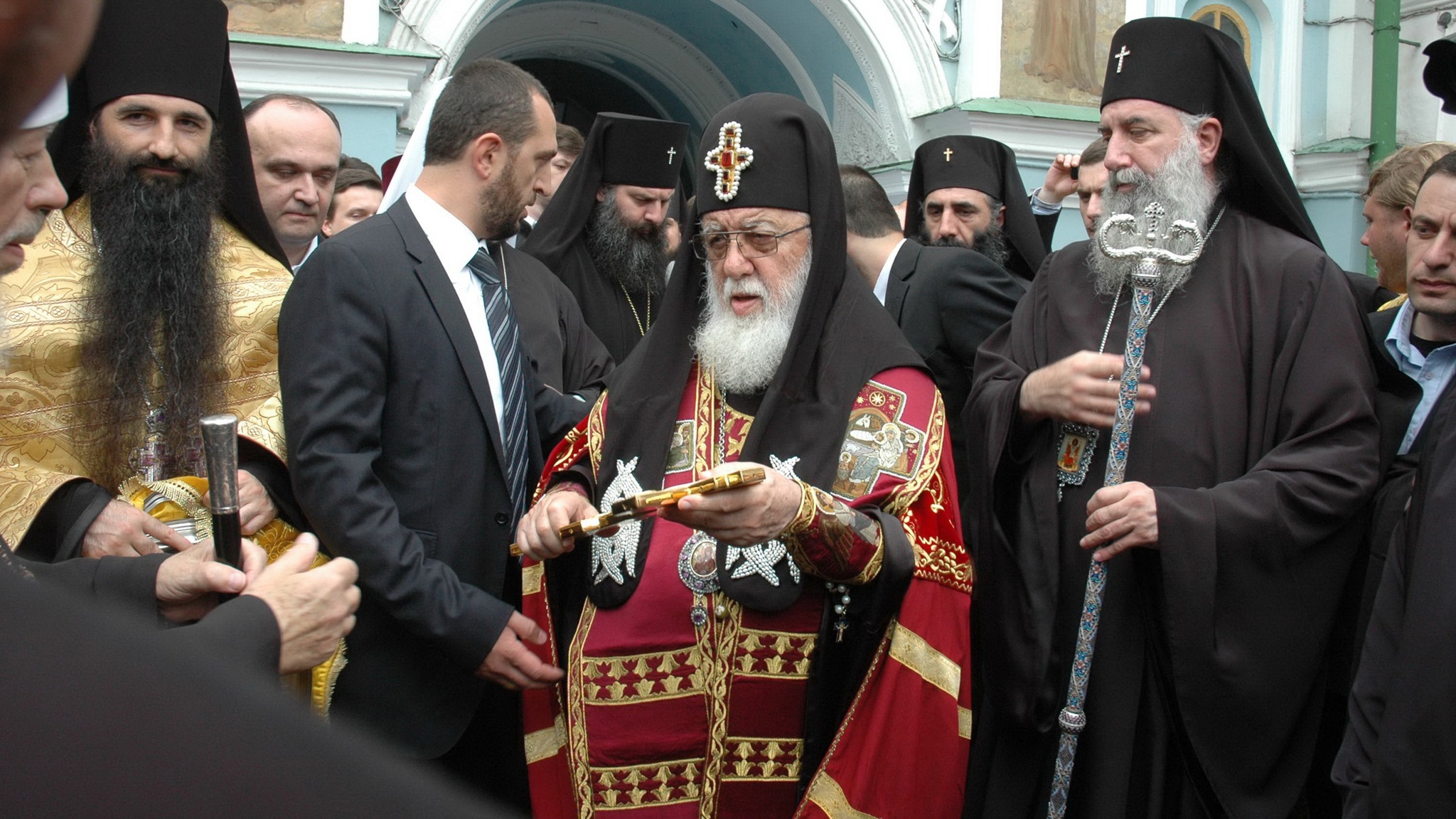
Interestingly, Metropolitan Shio accompanied Patriarch Ilia during his trip to Kiev in 2011.
Metropolitan Iob (Akiashvili)
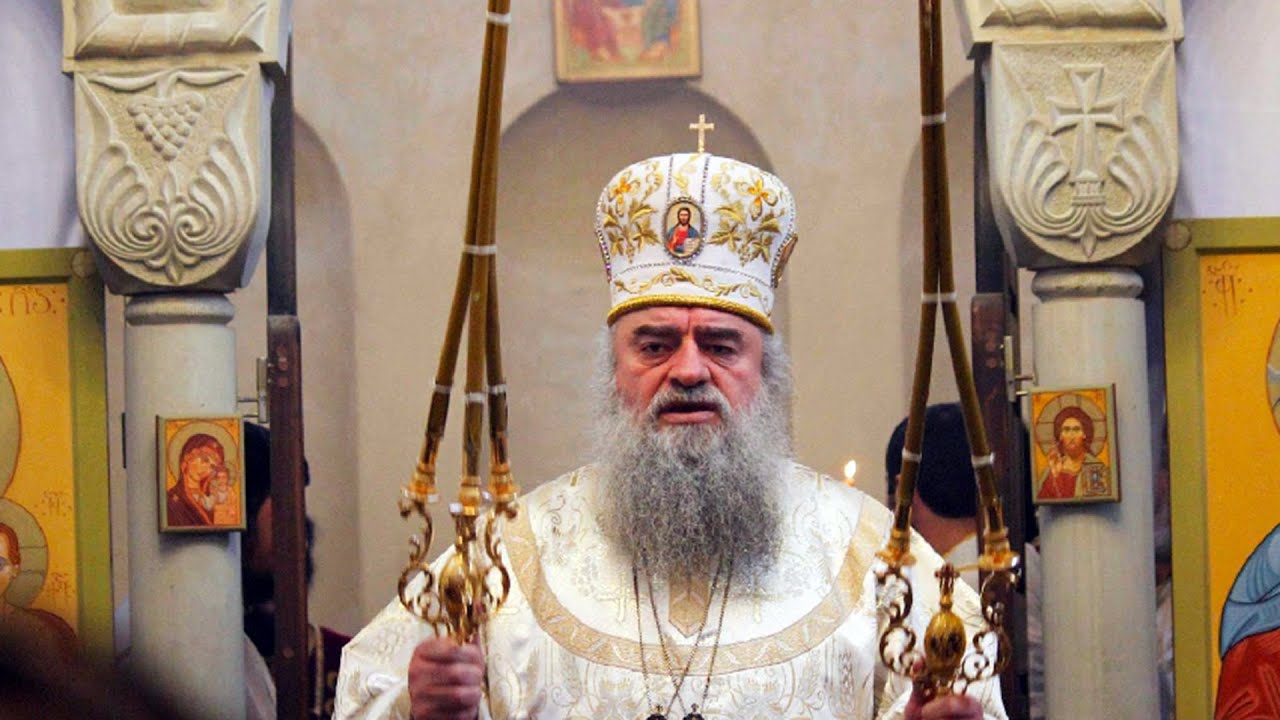
Metropolitan Iob of Ruisi and Urbnisi (secular name Elguja Zurabovich Akiashvili) is a 65-year-old hierarch representing the radically conservative monastic wing of the GOC.
Biography and church path
Born May 29, 1960, in the village of Sno in the Kazbegi district – the birthplace of the late Patriarch Ilia II. Unlike Bishop Shio, Metropolitan Iob received a secular education, graduating from the Faculty of Economics at the Georgian Agricultural Institute. He worked for some time as an economist at the Patriarchate.
In 1985, he entered Mtskheta Theological Seminary. In January 1988, he took monastic vows and was soon ordained as a hieromonk. In the early 1990s, he served in various eparchies, including the difficult region of Adjara (Skhalti Monastery).
Since 1996, he has consistently headed the Ruisi-Urbnisi Eparchy. During his leadership, many churches were restored, new male and female monasteries were founded, and theological schools were opened.
Church authority and theological views
Metropolitan Iob enjoys enormous authority among monastics and the conservative flock. His eparchy is considered a stronghold of fundamentalism in the GOC. It was precisely under pressure from Urbnisi monks that the Georgian Church withdrew from the World Council of Churches in the late 1990s.
At the same time, Bishop Iob is known for his straightforwardness and does not hesitate to harshly criticize secular authorities (both former and current). He often expresses radical and at times even conspiracy-related ideas. Interestingly, he is an open supporter of the restoration of the monarchy in Georgia and publicly backs the Bagrationi dynasty.
Attitude toward the OCU
Despite his ultra-conservatism, Metropolitan Iob's position on the Ukrainian question is paradoxical for an outside observer, as he found himself among those hierarchs of the GOC who publicly supported the OCU.
In one interview, he stated: "The Ecumenical Patriarchate of Constantinople supports the unity of the Orthodox Church... We must understand that the rights of the Constantinople Patriarchate [to grant autocephaly] must be legalized and recognized."
Who supports him and what to expect?
Metropolitan Iob is supported by 7 members of the Synod, mainly representatives of the older generation and the monastic party, dissatisfied with the way Metropolitan Shio acts.
In case of Job's election as Patriarch, the Georgian Church awaits a period of strengthening conservatism in internal life, but at the same time possible steps in the foreign policy arena, including rapprochement with Constantinople on the Ukrainian question. However, his radicalism frightens many moderate hierarchs and secular authorities.
Metropolitan Grigol (Berbichashvili)
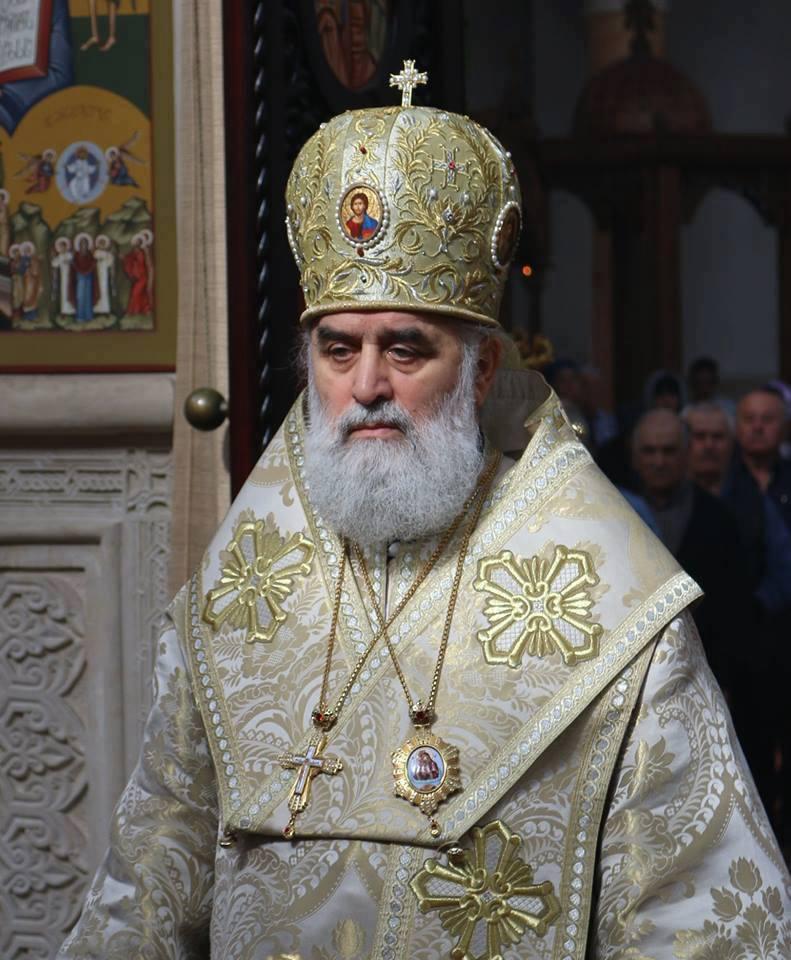
The third candidate is Metropolitan Grigol of Poti and Khobi (secular name Guram Grigorievich Berbichashvili). He is 69 years old (will turn 70 in July 2026) and represents the conditionally "liberal" and pro-Western wing of the Georgian episcopate.
Biography and church path
Born July 18, 1956, in Tbilisi. In his youth, he studied at an aviation school in Krivoy Rog. He received theological education at Tbilisi Theological Seminary and Academy (1988-1994).
Ordained as a priest in 1990, he served in Western Georgia. In 1996, he was consecrated as Bishop of Poti. Since then, he has continuously led this Black Sea eparchy.
Bishop Grigol is rector of New Georgian University (NGU) in Poti, Doctor of Philosophy (defended a dissertation on the metaphysics of Iona Khelashvili), the author of numerous scholarly works on theology and human rights. In 2022, St. Vladimir's Orthodox Theological Seminary in New York awarded him an honorary doctorate.
Church authority and theological views
Metropolitan Grigol is considered one of the most educated archpriests of the GOC, actively advocates for Georgia's European integration, and often criticizes Georgian politicians.
Attitude toward the OCU and external pressure
Metropolitan Grigol's position on Ukraine is unambiguous: he was one of the first Georgian hierarchs to publicly support the Tomos for the OCU. "Nothing can surpass Ukraine's desire to have an Autocephalous Orthodox Church," he stated.
There is evidence that precisely because of his pro-Western position, the Russian Foreign Intelligence Service (SVR) on March 31, 2026, issued an unprecedented statement accusing Constantinople Patriarch Bartholomew of interfering in Georgian elections and attempting to promote precisely Metropolitan Grigol to the Patriarchal Throne. This statement caused outrage in Georgia and was interpreted as crude pressure from Moscow on the Synod.
Who supports him and what to expect?
Metropolitan Grigol received 7 votes in the Synod. He is supported by the pro-Western part of the clergy, intelligentsia, and pro-European opposition in society. Since he will turn 70 only on July 18, 2026, at the time of nomination and upcoming election (before May 17) he formally meets the age requirement of the GOC Statute, although his candidacy has become a subject of disputes.
If Metropolitan Grigol becomes Patriarch, this would mean a radical turn for the GOC: immediate recognition of the OCU, rapprochement with Constantinople and the West, as well as democratization of intra-church life. However, his chances of victory at the expanded assembly are assessed as low due to the dominance of more traditionally-minded hierarchs.
Forecasts and prospects
The Georgian Orthodox Church is standing at a historic crossroads.
| Candidate | Age | Orientation | Attitude toward OCU | Chances of election |
| Shio (Mujiri) | 57 years | Moderate conservative | Against recognition | High (favorite, 20 Synod votes) |
| Iob (Akiashvili) | 65 years | Ultra-conservative | For recognition | Medium (7 Synod votes) |
| Grigol (Berbichashvili) | 69 years | Liberal, pro-Western intellectual | For recognition | Medium (7 Synod votes) |
As expert Levan Sutidze notes, the presence of three such different candidates testifies that the era of monolithic unity of the GOC during Ilia II's time has come to an end.
At present, Metropolitan Shio has the best chances of becoming the new Catholicos-Patriarch. However, the presence among the three candidates of two supporters of the OCU (Iob and Grigol) shows that part of the Georgian bishops are ready to support recognition of this structure. Therefore, regardless of the outcome of the May 17 vote, the new primate will have to somehow resolve the question of hierarchical unity and find a way to preserve it.