The forgotten clause of the Washington treaty
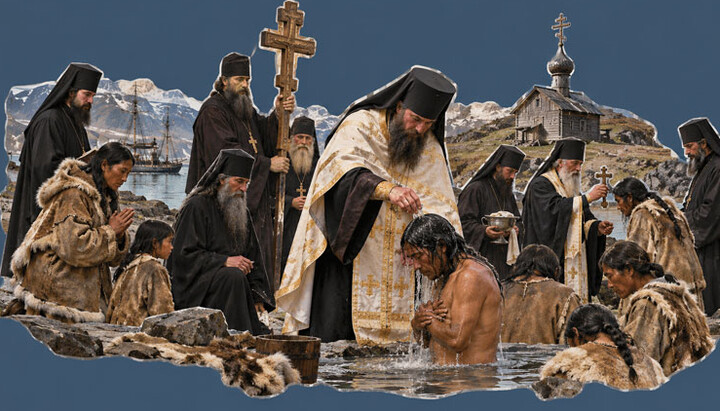
Forty years before the gold rush, a struggle for the souls of the indigenous peoples unfolded on the northern islands – a struggle fought not with weapons, but with translated books and a carpenter’s ax.
In March 1867, Washington was gripped by political fever. Officials from two empires were finalizing the sale of Alaska for $7.5 million in gold. The treaty was filled with legal language, but Article II contained an unusual provision. Russian diplomats insisted that the churches in the ceded territory remain the property of members of the Greek Oriental Church – the Eastern Orthodox Church.
Why would an empire selling off vast territories concern itself with wooden houses of worship scattered among the rugged northern hills? Behind that single clause lay 70 years of dramatic struggle. On distant islands, Orthodoxy had taken root despite the opposition of colonial officials.
Nine months on a perilous journey
The story began in September 1794, when a ship entered Pavlovsk Harbor on Kodiak Island. Eight monks, led by Archimandrite Joasaph (Bolotov), stepped ashore from the vessel onto the bleak northern coast.
It had been the longest missionary journey in the history of the Church. The travelers had departed St. Petersburg in late December. Nine months of grueling travel across the vast expanses of Siberia and dangerous voyages through frigid seas had brought the monks to the farthest reaches of the earth.
Instead of the quiet life of a monastery, they encountered a harsh reality. Alexander Baranov, the colonial administrator of the Russian-American Company, had imposed a brutal regime on the indigenous population.
Conflict between the administrator and the monks erupted almost immediately. In a letter, Archimandrite Joasaph recorded an explicit threat from the company's head, who openly warned that he could send the clergymen to their deaths.
In 1799, Father Joasaph was consecrated Bishop of Kodiak in Irkutsk. But he never reached his episcopal see. On the return voyage, the frigate Phoenix was caught in a violent ocean storm. The ship sank near Unalaska, taking the newly consecrated bishop, Hieromonk Macarius, Hierodeacon Stephen, and 70 passengers to their deaths. The core of the mission had been wiped out.
A monk against an all-powerful company
Of the original missionaries, one humble monk remained on the cold northern islands. He was St. Herman of Alaska, who had withdrawn to Spruce Island, which he named New Valaam.
The spiritual labors of this Alaskan elder had nothing in common with colonial conquest. In a letter to colonial administrator Sergei Yanovsky, St. Herman described himself as the “humblest servant of the peoples here and their nurse.”
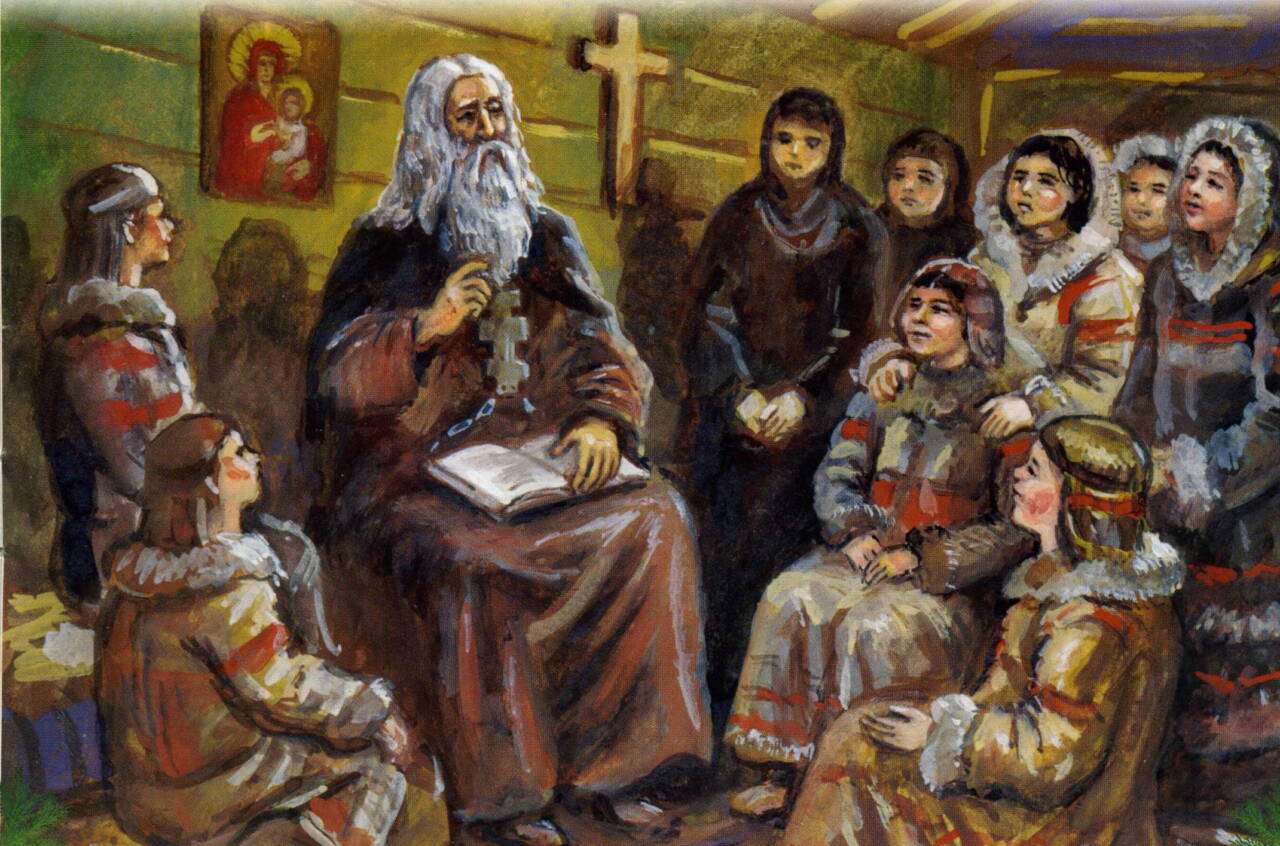
When a deadly epidemic struck Kodiak in 1819, the saint spent an entire month caring for dying islanders. He opened a school for orphaned children, taught local residents farming, and fearlessly defended them against abuses by fur traders.
The indigenous people came to see the Russian monk as a loving father.
A carpenter with a pen of steel
On July 29, 1824, a young priest named John Veniaminov – the future St. Innocent of Alaska – arrived on Unalaska Island. He stepped ashore with his wife and child, finding little more than dugouts and rough log cabins.
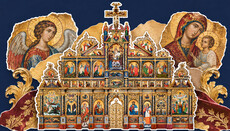
The young pastor did not begin with lofty sermons. Instead, he picked up an ax and a saw. Working alongside the Aleuts, the future enlightener of Alaska built the Church of the Ascension, fashioned its altar with his own hands, and carved its iconostasis.
But his greatest achievement was in education and evangelization. St. Innocent learned the local language, developed a Cyrillic-based alphabet for Aleut, compiled a grammar, and translated the Gospel of Matthew. His work helped give the indigenous language a written tradition.
In his instructions for missionaries, St. Innocent established a guiding principle: to act “without coercion, without threats, gifts, or promises.”
When smallpox broke out among the Tlingit people in 1836, the priest personally took part in vaccination efforts. Medical assistance saved hundreds of lives and opened the hearts of the indigenous people to the truth of the Gospel.
The American offensive and the defenders of Orthodoxy
After the 1867 sale, Alaska underwent profound changes. American missionaries and government officials poured into the islands.
Protestant missionary Sheldon Jackson openly identified Orthodox priests as the chief enemies of public education in the New York Evangelist, promising to eradicate Orthodoxy in Alaska within 25 years.
The new schools strictly prohibited indigenous children from speaking their native languages.
But the officials' plans failed. The Orthodox faith endured because it had become deeply rooted in local life.
When priests were scarce, the islanders themselves conducted services in remote settlements. Ordinary readers and parish elders, known locally as StaaRistaq, gathered the faithful, read from the Book of Hours, and taught children Church Slavonic literacy.
A Ukrainian сonnection in New York
In the early 20th century, the legacy of the Alaskan mission spread across the American continent.
A priest named Alexander Hotovitzky – the future hieromartyr – arrived in the United States from Volhynia. Born in Kremenets, he helped build St. Nicholas Cathedral in New York and brought together thousands of immigrants.
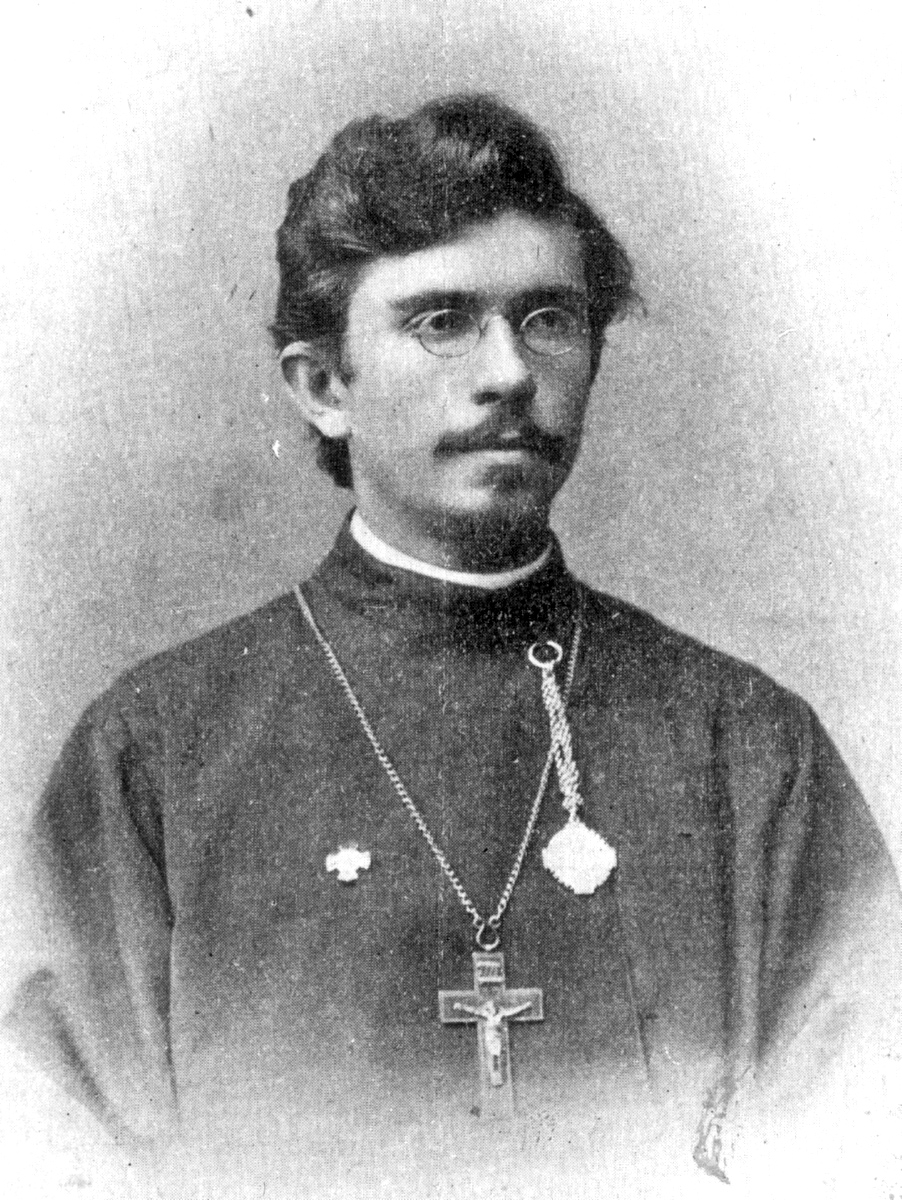
Around the same time, Father Alexis Toth, a native of the Prešov region who is also now venerated as a saint, brought tens of thousands of Carpatho-Rusyn Greek Catholics back into the Orthodox Church.
The faith carried to the distant north by humble monks from Valaam had grown into a vast spiritual family that included the Aleut people.
Victory over temporary rulers
On August 9, 1970, a solemn celebration took place at Holy Resurrection Cathedral in Kodiak. St. Herman of Alaska was officially canonized.
Nearby stood the dark forests of Spruce Island, where the solitary monk had once cared for orphaned children.
The fur traders had long since vanished. Government decrees lay forgotten in dusty archives, and the sale of Alaska had become little more than a dry chapter in history textbooks.
Yet across the islands of the Pacific, prayers are still heard in the Unangam language, preserved in Cyrillic letters first set down nearly two centuries ago.